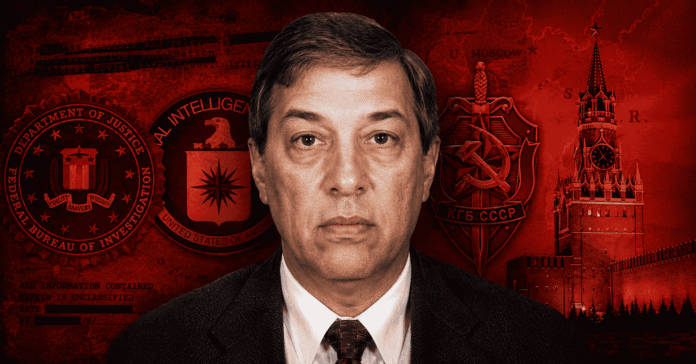
For more than two decades, one of the most trusted counterintelligence officers in the FBI sold America’s deepest secrets to its greatest adversaries. A devout Catholic, dedicated husband, and father of six, Robert Philip Hanssen appeared the model agent.
In reality, he was the architect of the worst intelligence disaster in Bureau history, compromising sources, operations, and national security while sitting at the heart of FBI headquarters.
Who Was Robert Hanssen?
Robert Hanssen did not emerge from a shadowy world of espionage. Born in Chicago in 1944, he was the only child of a Chicago police officer who had served in the Navy during World War II. His father, Howard, was demanding and harshly critical, often humiliating his son in front of others in the belief that such treatment would build character. Hanssen earned a degree in chemistry from Knox College in 1966 and briefly attended dental school to please his father before pursuing other paths.
He possessed a quiet passion for codes, radios, and technical systems, skills that would later serve his double life. After a stint as an accountant and undercover investigator with the Chicago Police Department, Hanssen joined the FBI in 1976. He swore an oath to defend the United States against all enemies, foreign and domestic.
How Hanssen Turned into a Traitor?
Assigned initially to white-collar crime in Indiana, Hanssen soon transferred to the Soviet Counterintelligence Division in New York. There he built an automated national counterintelligence database, gaining unparalleled access to sensitive files on Soviet espionage activities in the United States. He spent hours studying old cases, developing a fascination with the tradecraft of spying.
Despite the demands of raising a family in a high-cost city and educating his children in private Catholic schools, the FBI offered no special pay adjustment. One day in 1979, while staring out his office window, Hanssen noticed the AMTORG Trading Corporation building just blocks from Grand Central Terminal, a known front for Soviet military intelligence, the GRU. He walked in and delivered an anonymous letter identifying a prized CIA asset inside the GRU: General Dmitri Polyakov. For that betrayal, he received $21,000.
Hanssen also revealed FBI bugs in Soviet diplomatic facilities, rendering years of surveillance useless. When his wife discovered evidence of his activities, he convinced her he had been feeding the Soviets disinformation. He paused his espionage for several years but could not stay away.
Hanssen’s Espionage Career?
In 1985, Hanssen resumed contact, this time writing to a senior KGB officer. To prove his value, he exposed three KGB officers who had been working for the United States: Boris Yuzhin, Valery Martynov, and Sergei Motorin. Two were executed after recall to Moscow.
Hanssen continued feeding highly classified material to his handlers, including details of a secret FBI tunnel beneath the Soviet Embassy in Washington, D.C., built for eavesdropping. He even reviewed and undermined internal FBI mole hunts, at one point being assigned to investigate the very leaks he himself had caused. He handed the Soviets the identities of numerous American assets inside Russia, many of whom were arrested or executed. By the end of his career, he had passed over 50,000 pages of classified documents and received more than $1.4 million in cash, diamonds, and other payments.
Even after the Soviet Union collapsed in 1991, Hanssen reached out to the SVR, the KGB’s successor, ensuring his betrayal continued.
How Was Robert Hanssen Finally Unmasked?
A breakthrough came when the FBI paid a Russian source millions for access to files on a mole known only as “B.” The file contained a voice recording and handwritten notes quoting an obscure line from General George S. Patton that an FBI analyst recognized as one Hanssen had used.
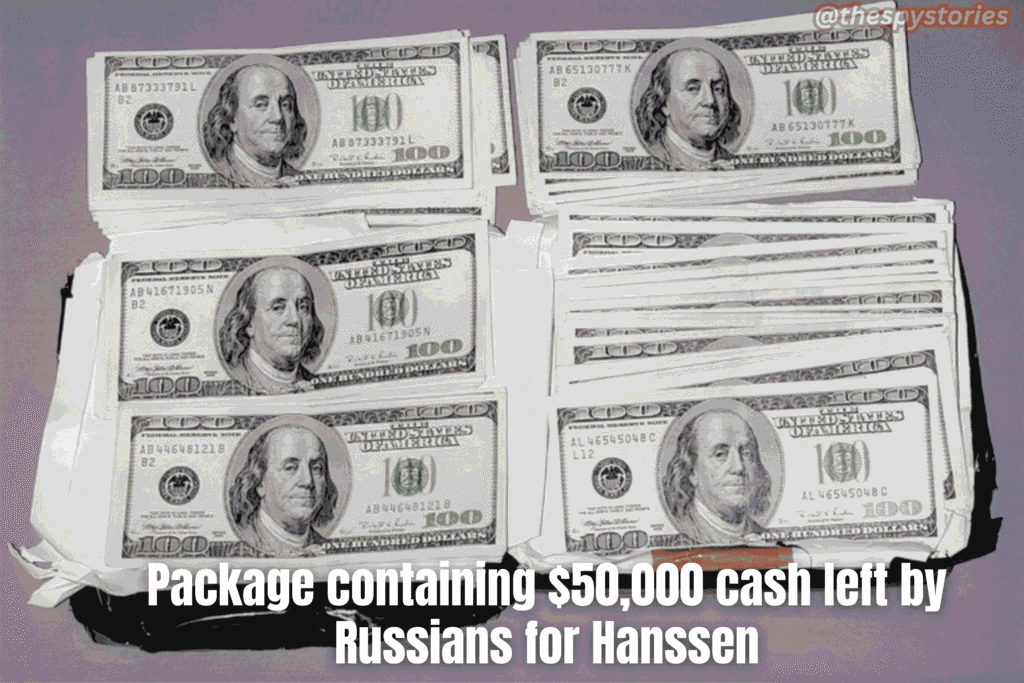
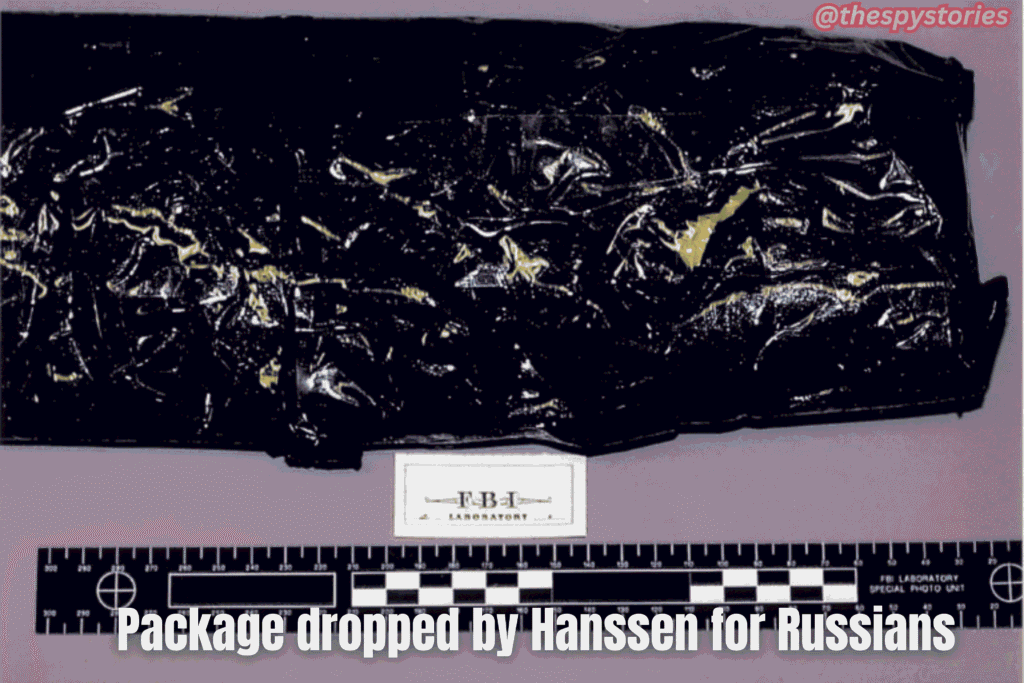
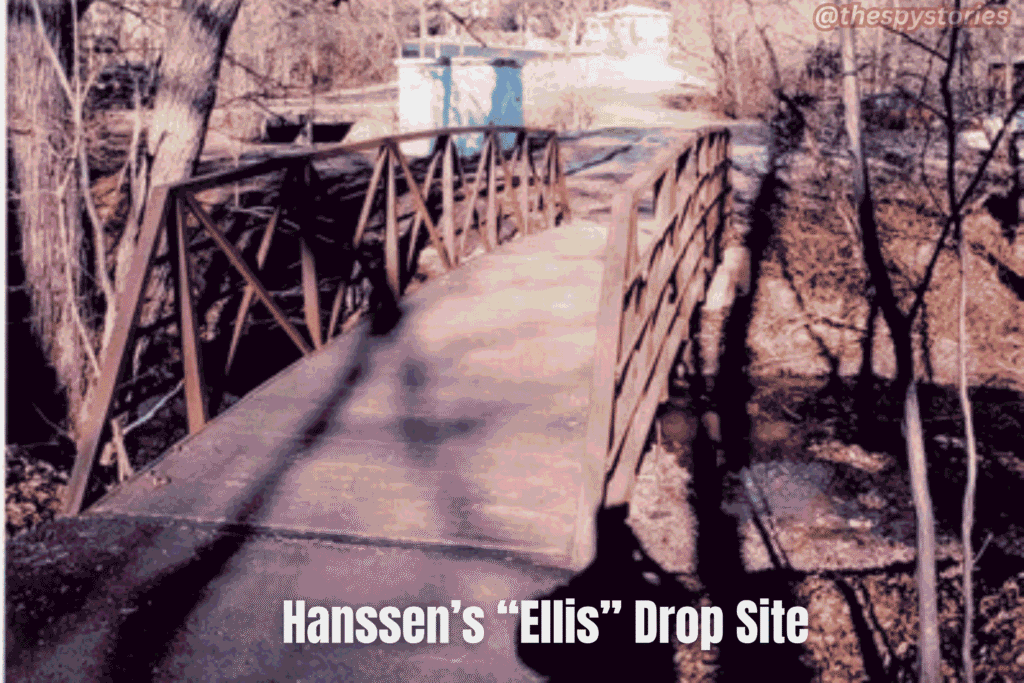
Agents placed Hanssen under intensive surveillance, wiring his office and monitoring his movements. On February 18, 2001, at Foxstone Park in Vienna, Virginia, Hanssen placed a package at a dead drop site. FBI teams moved in and arrested him. According to accounts, he calmly asked, “What took you so long?”
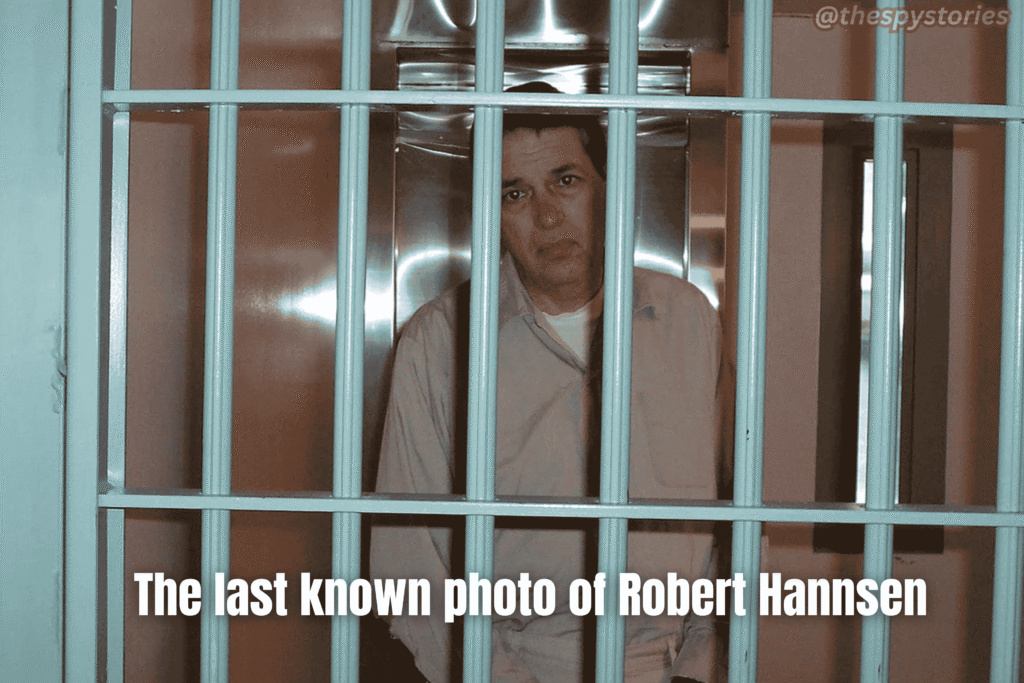
What Legacy Did Robert Hanssen Leave Behind?Hanssen pleaded guilty to avoid the death penalty and received 15 consecutive life sentences. He spent the rest of his days in solitary confinement at the ADX Florence supermax prison in Colorado. On June 5, 2023, he was found unresponsive in his cell and pronounced dead at age 79.
His case exposed critical vulnerabilities in FBI internal security and remains a cautionary tale about trust, motive, and the human capacity for deception at the highest levels of intelligence work.
Like us on Facebook, follow us on Instagram and TikTok, and subscribe on YouTube for more stories from the world of espionage.