
What Happened?
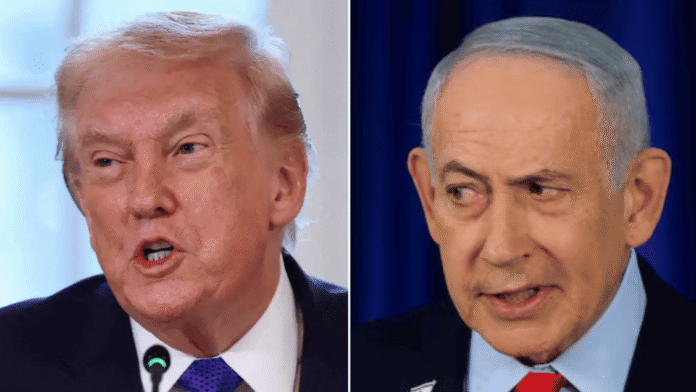
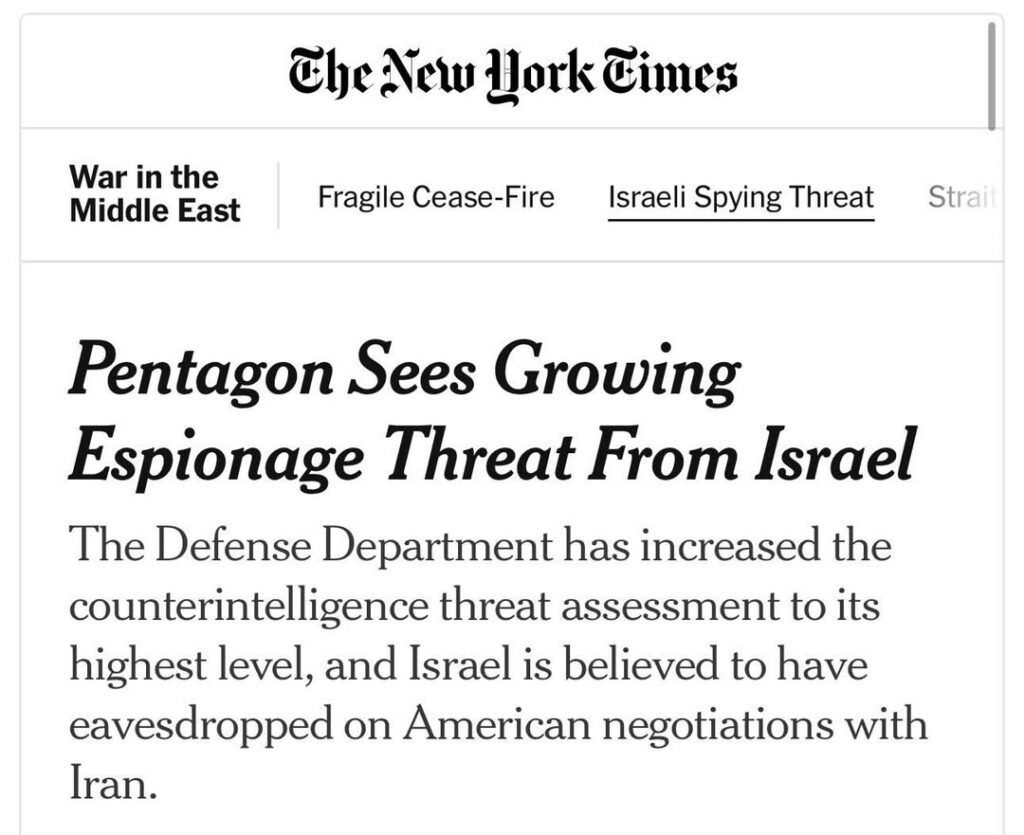
The United States Defence Intelligence Agency has raised its internal counterintelligence threat assessment of Israel to “critical,” which is the highest level in its system.
The concern centres on Israeli intelligence spying on American officials involved in the ongoing US-Iran nuclear negotiations mediated through Pakistan. NBC News first reported the development. The New York Times subsequently confirmed it, citing multiple current and former American intelligence and defence officials who spoke anonymously.
What Does the Report Say?
The DIA issued the updated assessment recently amid escalating tensions between Washington and Tel Aviv over the Iran conflict. According to officials cited in the reports, the agency circulated an internal message formally raising Israel’s threat designation to “critical.” The main concern is that Israel is deliberately monitoring senior American officials to gain insight into the Trump administration’s internal Iran policy deliberations.
The formal assessment consists of a seven-page document accompanied by a visual chart. It characterises Israel’s capacity for both human intelligence collection and technical surveillance as operating at a “critical level,” reflecting active, ongoing collection rather than a theoretical warning about capability.
The DIA findings indicate the surge in Israeli intelligence activity began in late 2024, continuing through the Trump administration’s subsequent shaping of Iran policy, suggesting an institutionally directed effort rather than isolated incidents.
Who Is Israel Spying On?
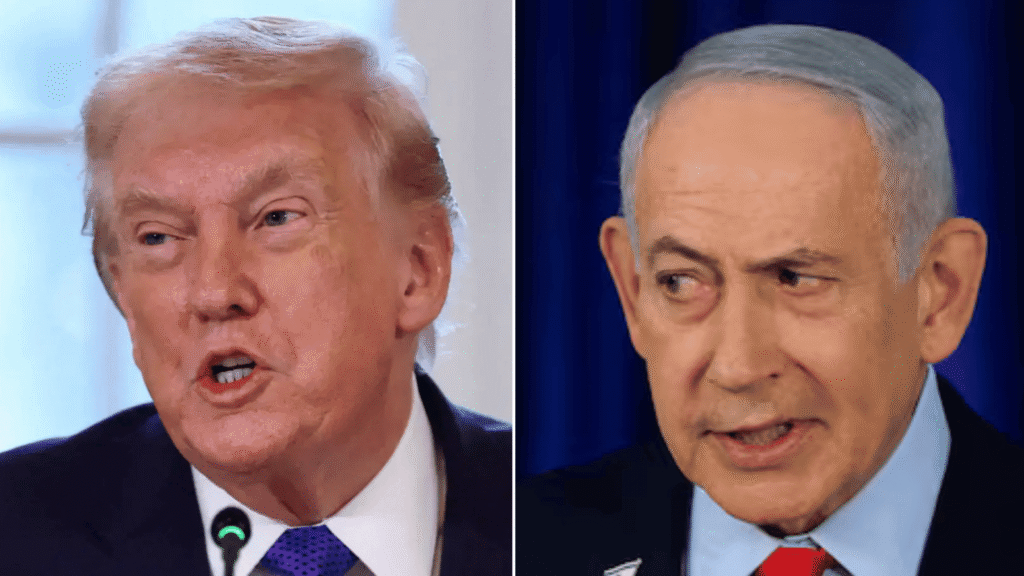
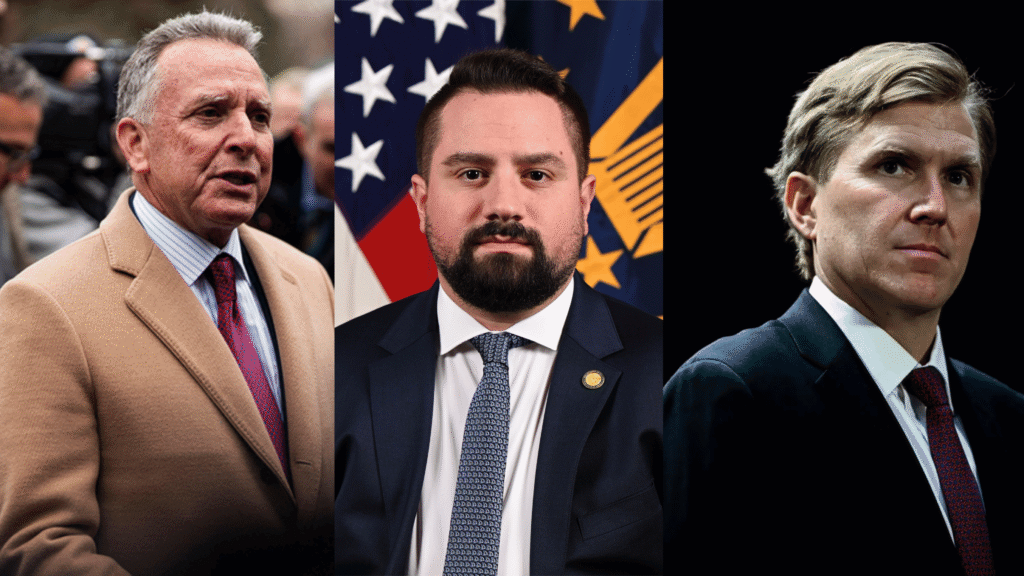
The identified targets are central to American strategic decision-making on Iran. Steve Witkoff, the Trump administration’s chief negotiator in the nuclear talks before the February 2026 military operation against Iran, is a primary target. His direct role in shaping the diplomatic framework makes him an obvious interest to Israeli intelligence.
Also named are Elbridge Colby, the Pentagon’s top policy official, and his deputy Michael P. DiMino IV. Access to their internal communications would give Tel Aviv exceptional insight into American negotiating flexibility and red lines.
The reports also mention US defense personnel in Israel who found surveillance software covertly installed on their phones. This represents a direct aspect of the reported collection campaign.
Has Israel Spied on the United States Before?
Israeli intelligence operations targeting the United States span several decades and extend beyond isolated individual misconduct. American counterintelligence professionals have long regarded Israel as one of the most capable and persistent foreign intelligence actors inside the country, a reality rarely discussed publicly because of the depth of the bilateral relationship.
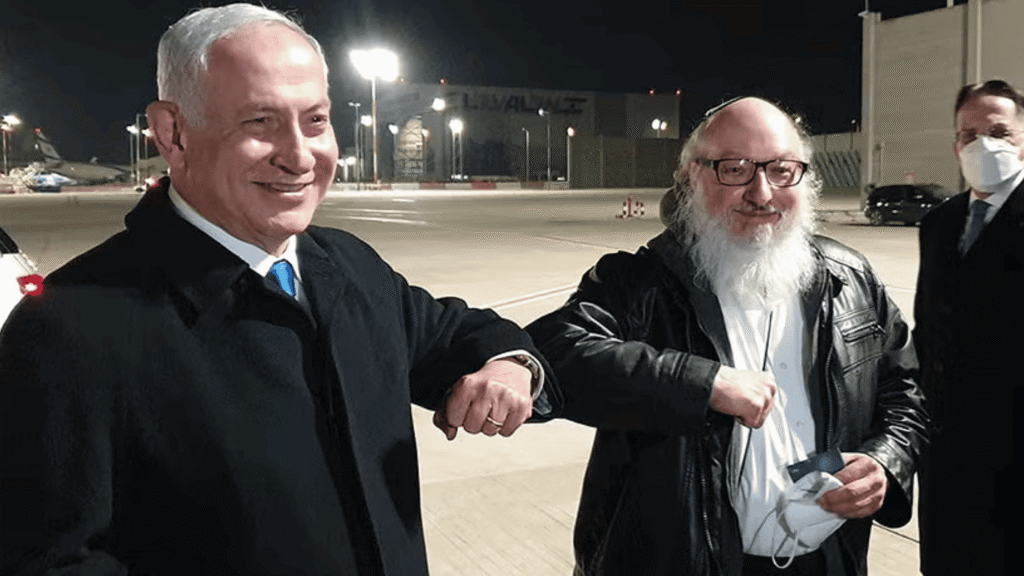
The most consequential documented case is that of Jonathan Pollard. A former American naval intelligence analyst, Pollard was apprehended in 1985 and pleaded guilty to passing top-secret information to Israel, including the NSA’s ten-volume manual on American signals intelligence gathering, along with the names of thousands of individuals who had cooperated with US intelligence agencies. He was sentenced to life imprisonment in 1987 and paroled in 2015.
Equally significant but less discussed is the NUMEC affair. In 1965, a Pennsylvania company called NUMEC was investigated for the disappearance of 200 to 600 pounds of highly enriched uranium. There were strong suspicions it had been diverted to Israel’s nuclear weapons program. The CIA’s deputy director for science and technology told the Nuclear Regulatory Commission the agency believed the missing uranium ended up in Israel. No charges were ever filed, and the full truth remains classified to this day.
Why Is Israel Spying on Officials Involved in the Mediation Process?
Israel faces a structural vulnerability in the current diplomatic environment. Having participated militarily in the conflict against Iran, it now risks exclusion from an American-negotiated endgame. A durable diplomatic framework between Washington and Tehran would limit Israel’s future operational freedom against Iranian nuclear and military infrastructure, a prospect Israeli policymakers see as strategically unacceptable.
The intelligence collection effort, therefore, serves a purpose beyond passive monitoring. Real-time insight into American negotiating positions allows Israel to identify pressure points and opportunities to shape or slow an agreement before it becomes irreversible.
Israel’s opposition to any US-Iran diplomatic agreement is not new. When the Obama administration concluded the 2015 Joint Comprehensive Plan of Action with Tehran, Netanyahu publicly and aggressively campaigned against it, even addressing the US Congress directly to argue the deal was a historic mistake. Israel’s core argument then, as now, is that Iran will not honour its commitments, will exploit any sanctions relief to accelerate its military programmes, and will ultimately use the cover of diplomacy to reach the nuclear threshold.