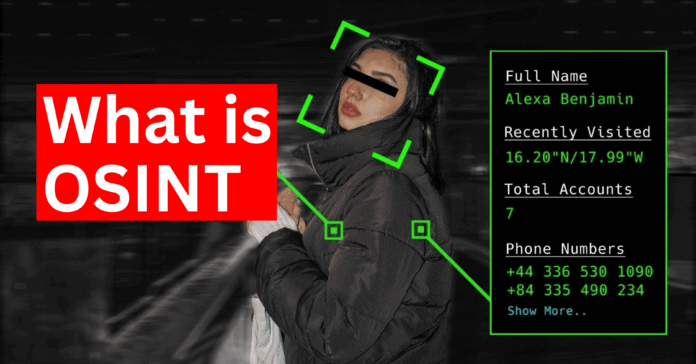
OSINT stands for Open Source Intelligence. The name sounds technical, but the idea is simple: it is the practice of collecting and analyzing information that is already publicly available, and turning it into something useful and actionable.
The “open source” part does not mean software code. It means the sources are open to anyone — public websites, social media profiles, news articles, government records, academic papers, satellite images, forums, and anything else you can access without hacking, breaking in, or violating anyone’s private systems.
Think of it this way: OSINT is what a very thorough, very patient researcher does when they decide to dig deep on a topic, a person, a company, or an event — using only things the public can freely access.
The intelligence part is the key distinction. Gathering random information is just browsing the internet. OSINT involves systematically collecting that information, verifying it, cross-referencing it with other sources, and drawing conclusions from it. It is about turning scattered public data into a clear, reliable picture.
If you have ever Googled someone before a first date, looked up a company before a job interview, or tracked news coverage of a developing story, you have done a basic version of OSINT. Professionals just take this to a much more structured and thorough level.
2. Where does all this data come from?
The sheer volume of publicly available information in the modern world is staggering. Here is a breakdown of the main categories of open sources:
The internet and social media
Facebook, Instagram, X (Twitter), LinkedIn, TikTok, Reddit, YouTube, and every other platform you can name. People share enormous amounts about their lives, opinions, locations, relationships, and routines on these platforms — and a lot of it is visible to the public or at least searchable.
Public records and government databases
Court records, business registrations, property ownership records, voter registrations, bankruptcy filings, corporate filings, patent applications, and government contracts are all publicly filed in most countries. These are goldmines of verified, official information.
News media and journalism
Every newspaper, magazine, TV channel, radio station, and online publication produces a constant stream of searchable, archived information. Old news articles in particular are incredibly useful for building timelines and understanding history.
Academic and research publications
Universities, research institutions, and think tanks publish papers, reports, and data sets. These are especially useful when investigating scientific claims, policy issues, or technical topics.
Maps and satellite imagery
Google Maps, Google Earth, OpenStreetMap, and commercial satellite services provide detailed imagery of nearly every corner of the planet. Investigators use this to verify locations, track changes over time, and geolocate images.
Dark and grey web sources
Forums, leak repositories, and less-indexed parts of the internet also fall under OSINT when accessed legally. Researchers sometimes monitor these to track threats, disinformation campaigns, or criminal activity.
An important distinction: OSINT only covers information collected through legal and ethical means. Accessing private accounts, hacking databases, or using stolen credentials is not OSINT — it is a crime.
3. Who uses OSINT and why?
This is where a lot of people are surprised. OSINT is not just the domain of spies and hackers in dark rooms. It is used by an enormous range of people across many different fields, often for completely mundane and legitimate purposes.
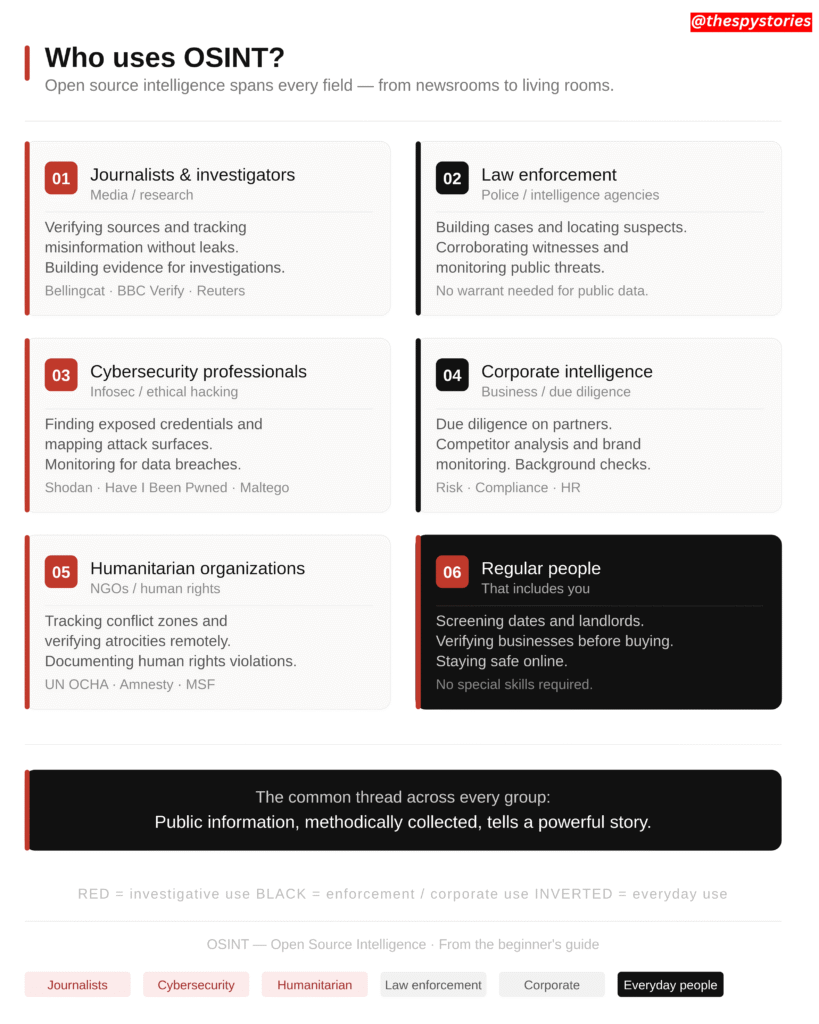
Organizations like Bellingcat have made OSINT famous through their work exposing wartime atrocities, tracking disinformation operations, and identifying individuals involved in major international incidents — all using only publicly available sources.
4. Real-world scenarios that might surprise you
Let’s ground this with concrete examples of what OSINT looks like in practice.
Tracking a private jet
Flight tracking websites like FlightAware and ADS-B Exchange broadcast the real-time location of aircraft using publicly available transponder signals. OSINT researchers have used this to track the private jets of billionaires and politicians, revealing travel patterns and secret meetings without access to any private information.
Identifying a location from a photo
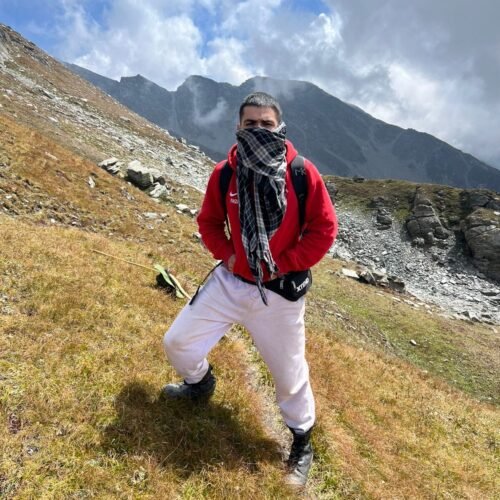
A single photo posted online can reveal where it was taken. Researchers look at shadows (to determine time of day and sun angle), architecture, street signs, vegetation, mountain silhouettes, store fronts, and even the models of cars visible. Using Google Street View and satellite imagery, investigators can pinpoint the exact spot a photo was taken — a technique called geolocation.
Exposing a shell company
Corporate registries are public records. Journalists have traced corruption and money laundering by linking seemingly unconnected companies through shared registered addresses, repeated director names, and overlapping phone numbers — all available in free public databases. No hacking required.
Romance scam investigation
A person suspects the person they met online is not who they claim to be. Using reverse image search, they find the same profile photo on dozens of other accounts. A username search reveals the same handle on suspicious forums. Within an hour, they have enough to know they are being deceived — no technical skills needed.
5. Core OSINT techniques
These are the fundamental methods that practitioners use again and again. You can start applying most of these today with zero budget.
Google Dorking
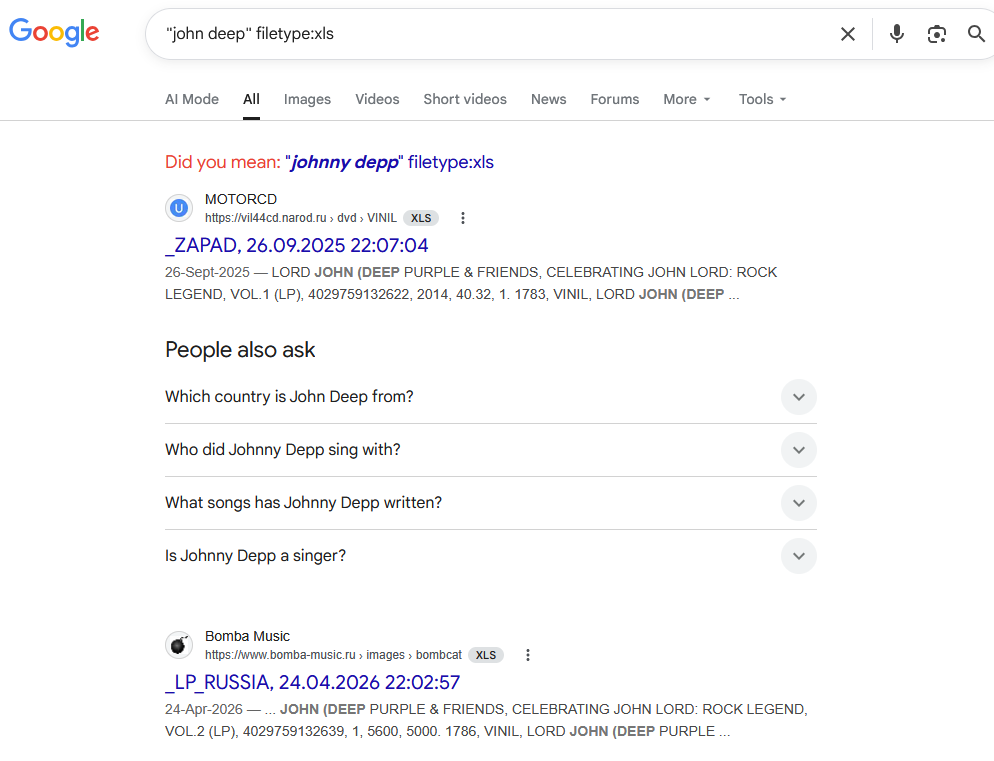
Google is far more powerful than most people know. Using special search operators, you can dramatically narrow your results. For example, searching site:linkedin.com "John Smith" "project manager" limits results to LinkedIn only. Operators like filetype:, inurl:, and intitle: let you find very specific documents, pages, and data buried deep in search results. (we will be a publishing a detailed Google dorking guide which you can use to investigate.
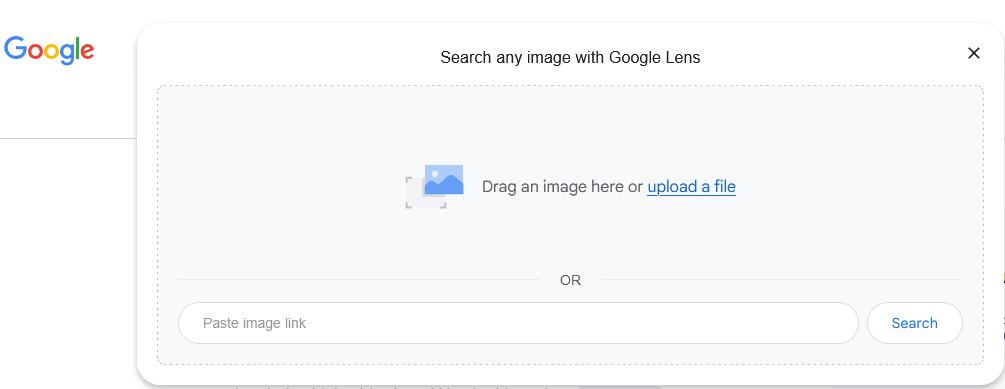
Reverse image search
Rather than searching with words, you search with a picture. Upload any image to Google Images, TinEye, or Yandex Images and the engine will find where else that image appears online. This is how journalists verify whether a “breaking news” photo is actually old or taken somewhere else, and how people catch catfishing profiles.
Username enumeration
People tend to use the same username across many platforms. A tool called Sherlock (or the website Namechk) lets you search for a username across hundreds of platforms simultaneously. Finding the same handle on Instagram, Reddit, a gaming forum, and a blog can quickly build a much richer profile of a person than any single platform would reveal.
WHOIS and domain lookups
Every website has registration records. A WHOIS lookup can reveal when a domain was registered, sometimes who registered it, what email address was used, and what other domains share the same registration details. This is often the first step in investigating whether a website is legitimate or a scam.
Metadata extraction
Files — photos, PDFs, Word documents — often contain hidden data called metadata. A photo taken on a smartphone can embed the exact GPS coordinates of where it was taken, the device model, and the date and time. This metadata is not visible when you look at the image, but tools like ExifTool can extract it instantly.
Geolocation and map analysis
Using Google Maps, Google Earth, and tools like SunCalc (which calculates sun position), OSINT analysts can determine exactly where a photo or video was taken, and even narrow down the time it was captured. This technique was famously used to verify footage from conflict zones.
Archive and cached page research
The Wayback Machine at archive.org has been taking snapshots of websites since 1996. Even if someone deletes a post, closes a website, or scrubs their past, archived versions often remain. This is invaluable for tracking how narratives have changed or recovering deleted information.
Social media analysis
Beyond just viewing a profile, OSINT practitioners look at who a person follows and interacts with, what times they post (which can reveal time zone and daily routine), geotagged posts and check-ins, tagged photos from other accounts, and linguistic patterns that reveal background or identity.
6. Using OSINT to protect yourself
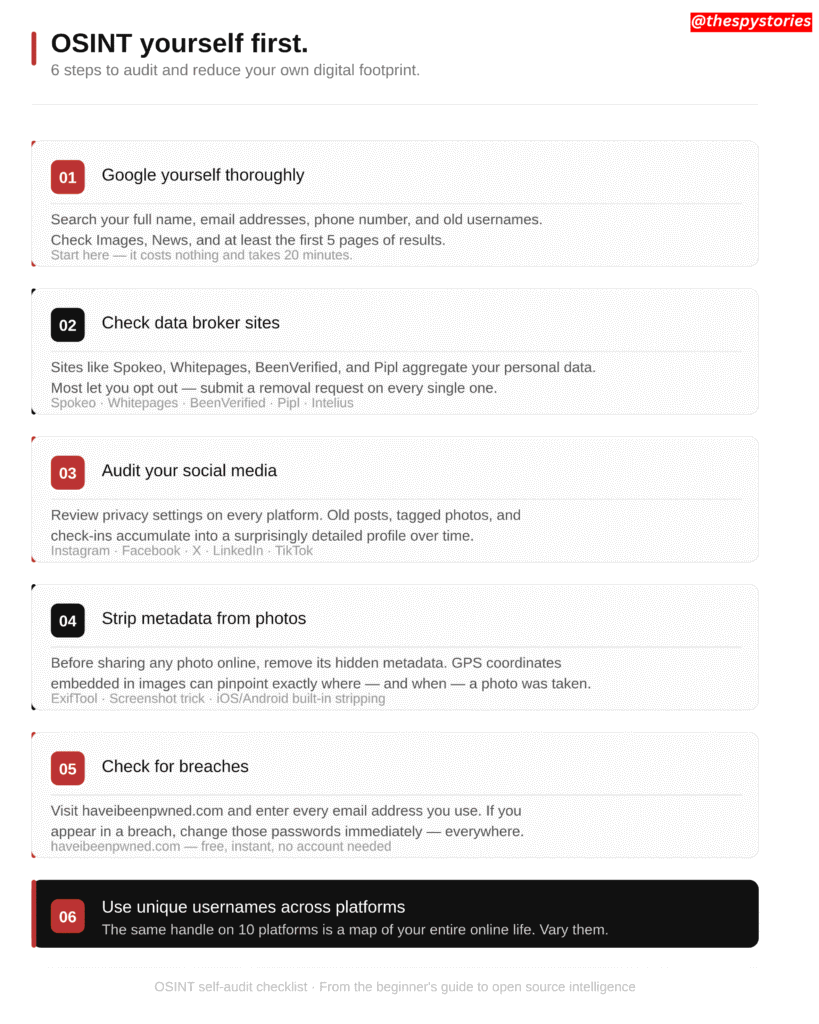
This is perhaps the most important section for everyday people. The same techniques investigators use to research others can be turned inward — to audit your own digital footprint and reduce the information that bad actors could find about you.
Think of it as a self-OSINT. The goal is to see yourself the way a stalker, scammer, or identity thief would see you — and then close those gaps.
Understanding what you cannot control
Some information is genuinely public and very hard to remove — court records, old news articles, property records, voter registrations. Knowing this helps you be realistic. The goal is not total invisibility but raising the cost and effort required for someone to build a profile on you.
The aggregation problem
This is one of the most important concepts in OSINT and privacy. Each individual piece of information about you may seem harmless in isolation. Your first name is harmless. Your employer is harmless. Your general neighborhood is harmless. The gym you go to is harmless. But when someone combines your name, employer, neighborhood, gym, daily commute time, car model, and physical description — all gathered from public sources — they now have a very precise profile of your life and routine. This is the aggregation problem, and it is why privacy is about patterns, not just individual facts.
8. The legal and ethical lines
OSINT sits in a space that many people find confusing. If the information is already public, can there be any legal or ethical concern? The answer is yes, and it matters to understand why.
What is legal
Accessing any information that is publicly available — searchable on Google, visible on a public social media profile, present in a government database, or broadcast on the internet — is generally legal. You are not breaking in anywhere. You are reading what has been made available.
What crosses the line
Accessing private accounts by guessing passwords, logging in with someone else’s credentials, bypassing paywalls or authentication systems, or accessing accounts you have not been authorized to view are all illegal — regardless of what you find inside. This is not OSINT, this is unauthorized access.
Beyond legality, there are ethical considerations. Just because you can find something does not mean you should share it. OSINT practitioners generally follow a principle of minimum necessary information — collecting only what is needed for the specific purpose at hand, and not going further. Collecting detailed information about a private individual for no legitimate reason, even from public sources, crosses into stalking territory both ethically and in many legal jurisdictions.
Platform terms of service
Many websites prohibit automated data scraping in their terms of service, even for public data. Violating these terms may not always be criminal, but it can result in account bans, civil liability, and ethical criticism. Always check what is permitted.
9. How to actually get started
The best way to learn OSINT is by practicing on things that have no privacy implications — your own digital footprint, public figures who have accepted public scrutiny, or the many online OSINT challenges and competitions designed for beginners.
Start with yourself
Spend one hour trying to find everything publicly available about yourself. Use Google, reverse image search your profile photos, check what data broker sites have on you, look yourself up on Have I Been Pwned. You will likely be surprised — and it is a safe and valuable starting exercise.
Try OSINT challenges
Platforms like GeoGuessr (for geolocation practice), Trace Labs CTF events, and the OSINT Curious community regularly publish challenges designed for beginners. These give you a safe, consent-based environment to build skills without any ethical grey areas.
Follow the community
GeoGuessr (Game)
The OSINT community is unusually open and educational. Practitioners share their techniques, write detailed write-ups of cases, and teach beginners through publicly available content. YouTube, blogs, and free courses are all legitimate ways to go deeper.
Build a mindset, not just a toolset
The most important thing OSINT teaches you is a way of thinking — questioning sources, verifying claims independently, understanding that information can be manipulated, and developing healthy skepticism about anything you read online. These habits are valuable regardless of whether you ever do a formal investigation.
OSINT is ultimately a reminder that the internet never forgets, that data accumulates in ways that were never intended, and that the boundary between public and private is far blurrier than most people realize. Understanding that — and acting on it — is one of the most practical things you can do to protect yourself in the modern world.
If you enjoyed reading this blogpost, help us by sharing this post further.