
Summary
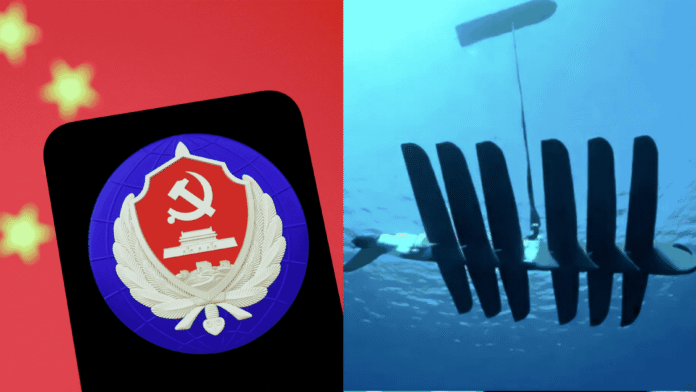
China’s Ministry of State Security claims foreign intelligence agencies are using sensor-fitted turtles, fish, and underwater drones to map its coastline and gather sensitive maritime data.
What Happened
China’s Ministry of State Security announced that it has discovered marine animals, including turtles and fish, fitted with high-tech sensors operating in Chinese waters.
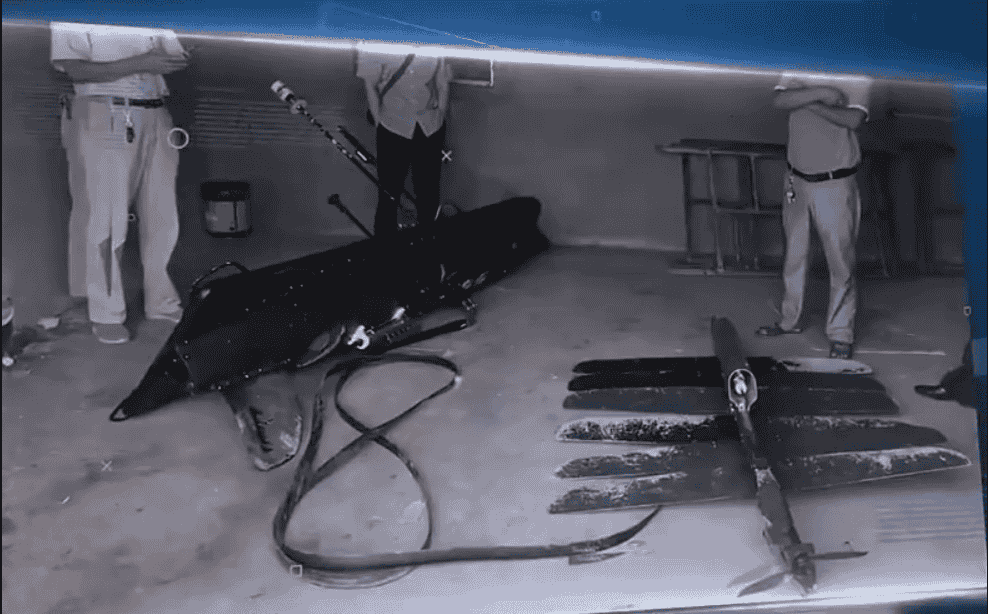
The agency also reported recovering surveillance buoys equipped with meteorological and acoustic sensors, along with solar-powered wave gliders. According to the MSS, these devices were capturing real-time port activity and feeding data into a broader maritime surveillance network.
Officials have called for tighter scrutiny of foreign equipment and are offering rewards of up to £55,000 for anyone who reports spy devices found in Chinese waters.
What Did the Agency Say
In its statement, the MSS described the operation in detail, saying that “large live marine animals were found to be equipped with sensors, swimming in a specific area to collect sensitive marine environmental data such as water temperature, salinity, and ocean currents in real time, and then transmitting the data overseas via satellite.”
A Repeat Pattern
This is not the first time China has made such claims. On May 9, 2024, Chinese authorities reported finding a variety of “ocean spies” operating in domestic waters.
The discovery was made by Chinese fishermen, who reportedly found devices secretly transmitting sensitive intelligence to outside parties. As with the latest case, Beijing did not immediately name a specific country or agency responsible.
The recurrence of these claims, roughly two years apart, suggests either an ongoing pattern of covert maritime surveillance activity or a recurring messaging strategy by Chinese state security around foreign espionage threats.

Have Other Agencies Done This Before?
Yes, the use of marine animals for espionage has a documented history among major intelligence agencies. The United States reportedly operates a so-called “kamikaze dolphin unit,” trained to detect underwater mines, a capability that could prove critical in keeping contested waterways like the Strait of Hormuz open during a conflict.
The CIA has also been open about its past use of animals for surveillance. The agency maintains a section on its official website detailing various creatures recruited for espionage missions over the years, reflecting a long institutional history of using wildlife as covert intelligence tools.
Russia, too, has allegedly developed a marine surveillance program. According to a British intelligence report, Moscow trained bottlenose dolphins, kept in floating harbour pens near naval facilities in Crimea, to detect and counter enemy divers, effectively turning the animals into an underwater security perimeter for sensitive military sites.