
Summary
The Pentagon has signed a $500 million contract for AI powered counter drone systems directly informed by battlefield experience in Ukraine.
What Happened
The US Department of Defense signed a $500 million contract with Perennial Autonomy through Joint Interagency Task Force 401, the agency coordinating anti drone technology programs for the US military.
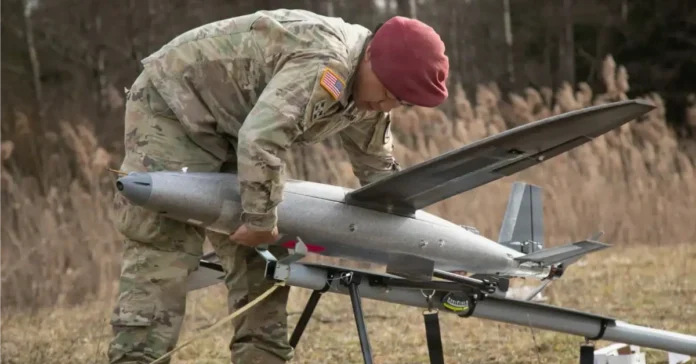
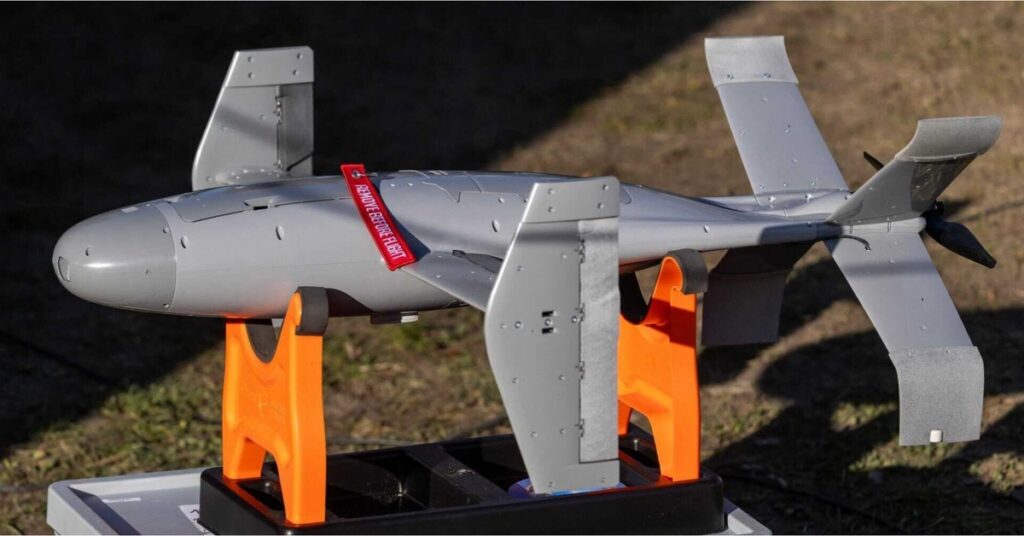
The deal covers the supply of AI powered drone interceptors including the Merops interceptor drone, Bumblebee quadcopters and Hornet medium range attack drones.
The systems are designed to automatically detect, track, classify and neutralize hostile drones. Some of these systems have already been operationally tested in Ukraine, where Merops systems have reportedly helped destroy more than 4,000 Russian drones.
Why It Matters
This contract is not routine procurement. It is an institutional acknowledgment by the Pentagon that the drone warfare emerging from Ukraine has permanently changed the battlefield calculus.
For years, the US military’s counter drone strategy lagged behind the speed at which cheap, mass produced FPV drones and swarm attacks were reshaping modern conflict. This contract signals that the gap is now being addressed at scale and with urgency.
What makes this significant is the source of the technology. These are not systems developed in a laboratory and deployed untested. They were refined on an active battlefield against real Russian drone operations. That distinction matters enormously in defense procurement, where real world validation is rare and valuable.
The decision to mass produce Merops systems in Germany through Twentyfour Industries also carries a strategic signal. The US is not just buying capability, it is building allied industrial capacity for counter drone production on European soil, directly relevant to NATO’s eastern flank.
The Background
Ukraine has functioned as the world’s most consequential live testing ground for drone warfare since 2022. The widespread use of FPV drones, kamikaze UAVs and coordinated swarm attacks by both sides has forced military establishments globally to accelerate counter drone development.
The US military, observing this shift, began fast tracking autonomous intercept programs through dedicated task forces specifically created to bridge the gap between battlefield innovation and formal procurement.
What Comes Next
Watch for how quickly these systems are deployed to protect US military bases and critical infrastructure under Central Command. The broader question is whether this contract accelerates similar procurement decisions among NATO allies who face the same drone threat landscape but have moved more slowly to address it.