Summary
A former senior Ukrainian intelligence officer has been sentenced to life in prison after being convicted of spying for Russia’s FSB while serving at the heart of Ukraine’s counter-terrorism apparatus.
What Happened
Colonel Dmytro Kozyura, former chief of staff of the Security Service of Ukraine’s anti-terrorism centre, was found guilty of high treason under martial law by the Shevchenkivskyy District Court in Kyiv. He was also convicted of illegal handling of weapons and ammunition. Ukraine’s Prosecutor General Ruslan Kravchenko confirmed the sentence, describing it as the only appropriate outcome for a career intelligence officer who had abused his access to state secrets to serve a foreign power during wartime.
The Full Story
Kozyura was first recruited by Russia’s FSB in Vienna in 2018, according to the SBU. His handlers did not activate him immediately. Contact resumed in December 2024, years after his initial recruitment, a common FSB tactic of embedding dormant assets inside sensitive institutions before calling on them at a strategically chosen moment.
Once reactivated, Kozyura was tasked with gathering information on the deployment and movement of Russian armed forces, Ukraine’s weapons systems, critical infrastructure, and the country’s political and military leadership.
He communicated with his handlers from a safehouse in Kyiv, using a separate mobile phone and Wi-Fi router specifically set up to avoid detection.
The SBU launched a covert operation codenamed “Rat” and monitored his every move around the clock, ultimately building a case before arresting him in February 2025. He was sentenced after being found guilty under Ukraine’s martial law provisions, which carry a maximum penalty of life imprisonment for high treason.
What the Mole Did?
The SBU confirmed there were at least 14 documented instances in which Kozyura collected and transmitted classified information to Russia. His activities included spying on SBU command posts and, according to the Prosecutor General’s office, “systematically sharing the consequences of Russian strikes, including the number of wounded soldiers and civilians.”
He passed documents marked secret and maintained constant communication with his FSB handler, identified by the SBU as Yuriy Shatalov, described as a coordinator running a broader network of agents inside Ukraine. The investigation used audio and video monitoring alongside access to the suspect’s mobile phones and computers to build its case.
As the SBU’s anti-terrorism chief of staff, he held access to some of the most sensitive operational data within Ukraine’s security architecture, making the breach particularly serious.
Before his arrest, the SBU said it had used Kozyura’s active communication with Russian handlers to its advantage, feeding him a deliberate stream of disinformation to flood Russian forces with false intelligence while ensuring he could not access genuinely critical material.
Most Telling Detail
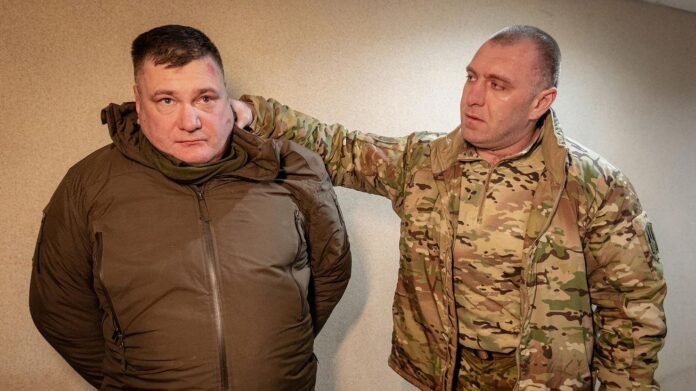
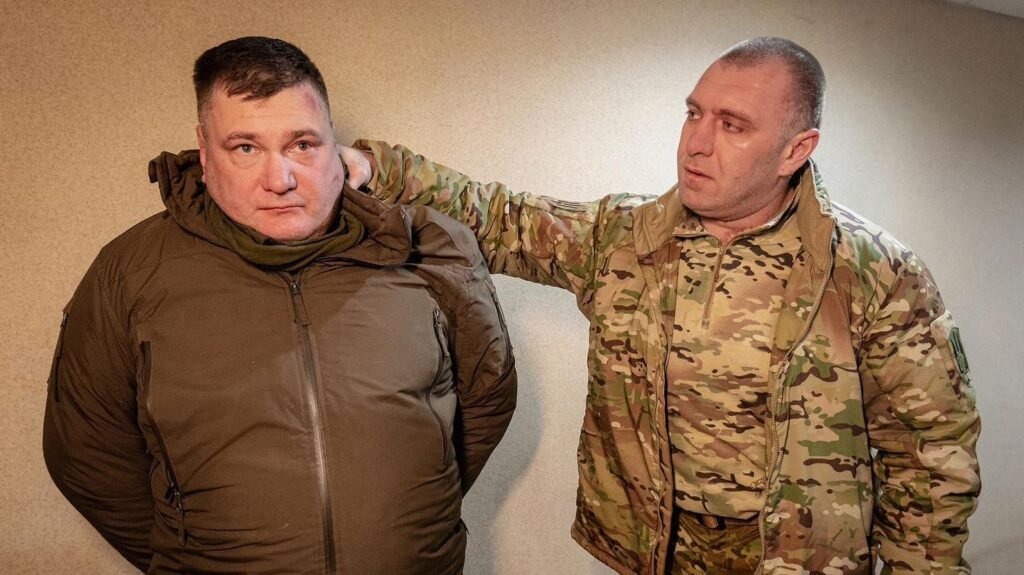
Perhaps the most telling detail in this case is that SBU director Vasyl Malyuk personally led the investigation and appeared alongside Kozyura in images released after the arrest.
Intelligence agency heads rarely step into the operational management of individual counterintelligence cases. When they do, it signals that the threat was assessed as severe enough to demand direct oversight at the highest level.
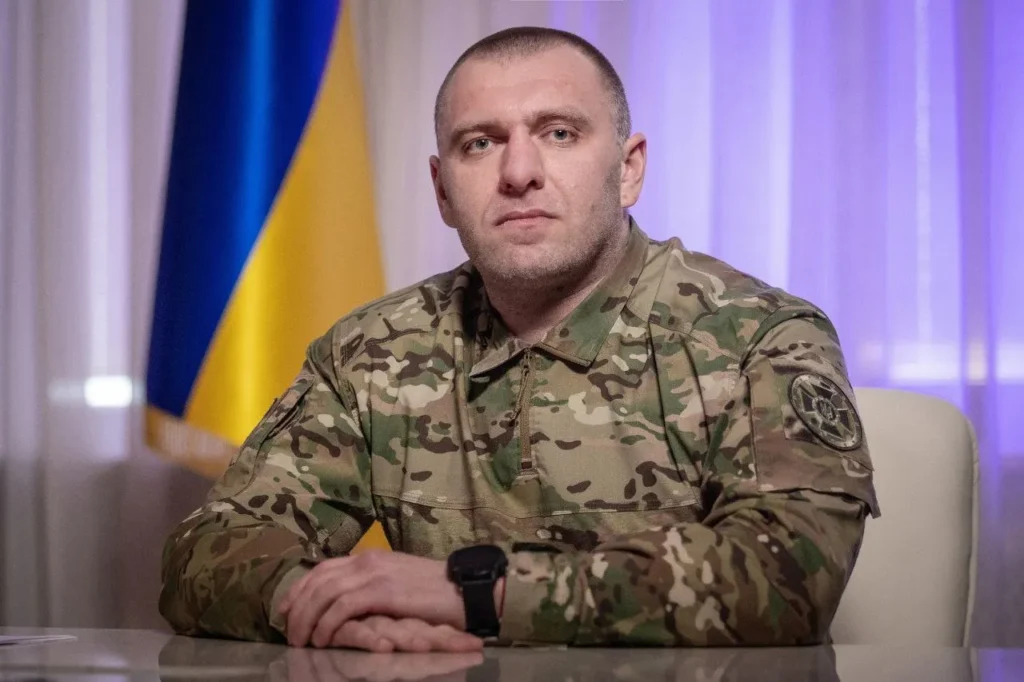
Malyuk’s personal involvement suggests Ukrainian leadership had reason to believe the damage Kozyura caused, or could have caused, went beyond what has been publicly disclosed. A mole at the chief of staff level of the anti-terrorism centre would have had visibility into some of Ukraine’s most sensitive internal security operations.
The SBU’s public framing of the operation as a success, complete with a disinformation campaign run through the compromised officer, may also be a deliberate message: that Ukraine’s counterintelligence is capable of identifying, controlling, and ultimately prosecuting FSB assets even at the senior level.
Like us on Facebook, follow us on Instagram and TikTok, and subscribe on YouTube for more stories from the world of espionage and OSINT.