
Most people who travel abroad think about what to pack, where to stay, and what to eat. Very few think about how they appear to the world around them the moment they step off the plane.
That gap in thinking is precisely what makes tourists easy targets. Not just for pickpockets or scammers, but for anyone paying attention. And in certain parts of the world, being an obvious foreigner with an expensive camera, a confused look, and a phone permanently in your face is not just embarrassing. It is a liability.
Former CIA officers have spent careers operating in foreign countries where blending in was not a preference but a professional necessity. Over the years, several of them have shared their tradecraft with the public through books, podcasts, interviews, and articles. The advice they offer is not dramatic or cinematic. It is remarkably ordinary. And that is exactly what makes it so effective.
As a traveller who moves through unfamiliar cities and countries, these are not just interesting ideas. They are habits worth building before your next trip.
Dress Like You Belong There
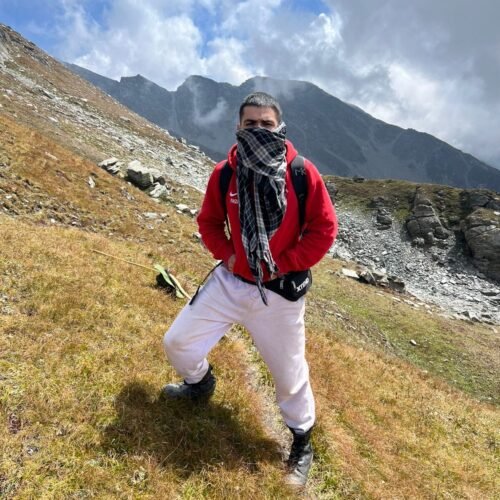
One of the most common mistakes travellers make when going overseas is dressing like they are going on a safari. Hiking shoes, a Camelback, a floppy hat, and an American flag shirt in the middle of Paris does not just look out of place. It announces your nationality, your inexperience, and your likely confusion to everyone around you.
The SOFREP article written by a former CIA officer who writes under the name Frumentarius puts it plainly: dress normally. In many countries, people dress more formally than travellers from the West might expect. Shorts and a muscle shirt are not always the best idea if you are trying to blend in.
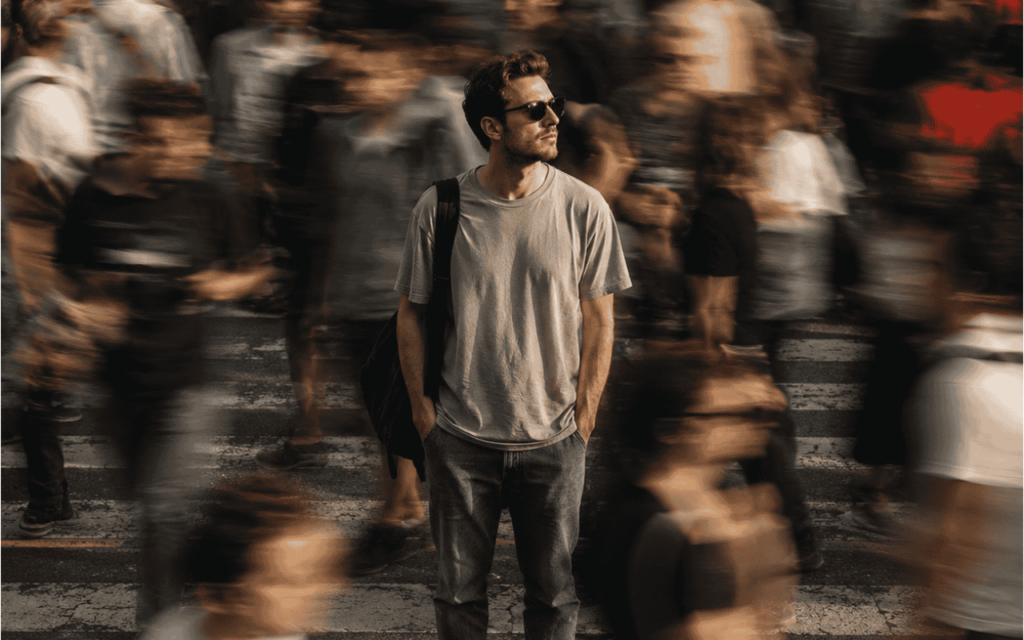
Emily McCarthy, former CIA case officer and co-founder of Goruck, puts it simply: “You can’t always look like a local, but you can blend in better and look smarter.” Dressing like a stereotypical tourist, think flip-flops, oversized water bottles, tank tops, and a confused expression, can make you a more obvious target.
The practical takeaway here is simple. Before you travel, spend ten minutes looking at how people actually dress in the city you are visiting. Instagram, travel blogs, and Google Street View will show you this in minutes. Then pack accordingly. Leave the branded sportswear, the loud logos, and anything that screams tourist at home. Dress the way a resident of that city would dress on a normal Wednesday afternoon.
Plan in Advance
Nothing marks a tourist more clearly than standing on a street corner with a phone in the air, rotating it to figure out which direction they are facing. It is the universal signal for lost, confused, and worth approaching.
Former CIA officer Frumentarius writes that nothing gives you more confidence in a new place than doing map study and trip planning in advance. You should know the area well enough that if you were dropped in the middle of a chosen city, you would at least be oriented and familiar with the layout.

Former CIA operative Drew Dwyer, a Marine veteran, recommends downloading and saving a map of your destination before you leave. Flip your phone to airplane mode and use the offline map to navigate without drawing attention to yourself by constantly staring at your screen in public.
The goal is not to memorise every street. It is to know the general shape of the area well enough that you can walk with purpose. People who walk with purpose do not get approached. People who look lost do.
Ditch The Headphones
This one feels minor until you think about what headphones actually do to you in an unfamiliar environment.
Emily McCarthy is direct about this: “Wearing them kills your situational awareness.” Her advice is to save headphones for the plane or the hotel room.
The CIA’s own published travel tips, shared through their official website under the label “travel tradecraft,” advise travellers to use all five senses to pay attention to what is happening around them. This not only helps you spot signs that something is amiss but also helps you absorb the atmosphere of wherever you are.
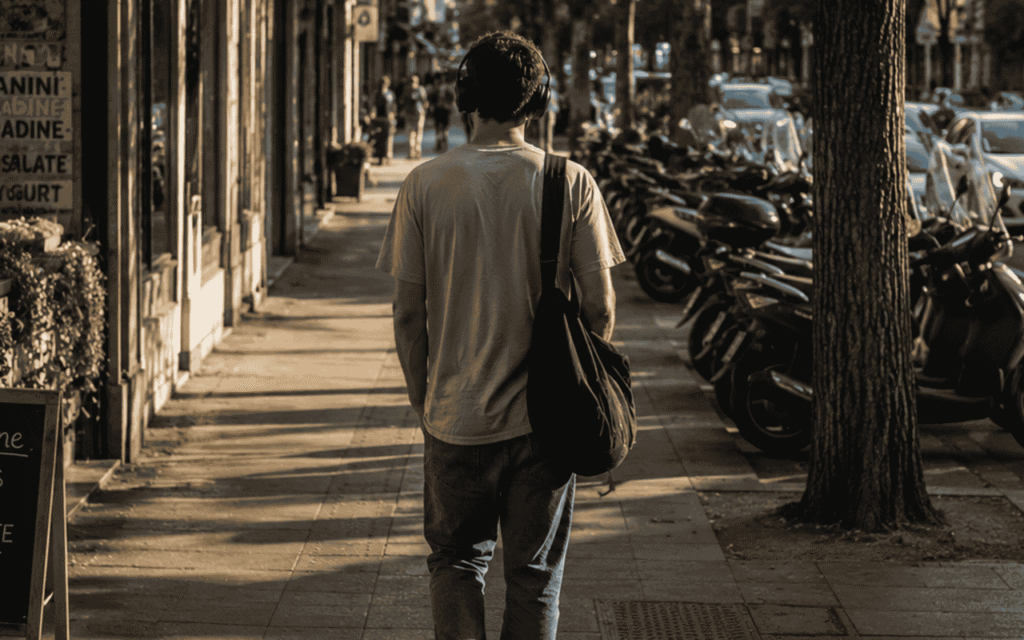
Situational awareness is the foundation of everything else on this list. Former CIA officer and security expert Tim Beard describes it as the single most important habit any traveller can develop, something intelligence professionals practise every single day. “Safety isn’t about fear, it’s about preparation,” Beard says. “The goal is to build habits that help you recognize potential risks before they become problems.”
In practical terms this means keeping one earbud out at minimum. It means noticing who is around you when you use an ATM, who has been walking in the same direction as you for the last three blocks, and what the general energy of an area feels like before you commit to walking deeper into it.
Keep Your HQ Informed
CIA officers operating overseas never go dark. There is always someone who knows where they are, what they are doing, and when they are expected to check in. This principle translates directly to civilian travel and costs nothing to implement.
Lindsay Moran, a former CIA operative and author of Blowing My Cover, recommends that travellers ensure trusted family or friends back home have a copy of their itinerary and passport at all times.
Former CIA officer Matthew Bradley goes a step further: “They should know who to call if you don’t check in.”
Drew Dwyer recommends making copies of your passport, medical card, credit cards, and travel itinerary. Give one copy to a trusted person at home and keep another copy with you separately from the originals. He also advises emailing all of this information to yourself through a web-based account so you can access it from any hotel or internet café if your phone or bag is stolen.
This is not paranoia. It is the same logic that experienced hikers use when they tell someone which trail they are taking. If something goes wrong, the people who can help you need to know where to start looking.
Protect What You Carry
Physical blending-in is only half the equation. The other half is what you carry in your pocket.
Lindsay Moran warns that “the real risk when traveling is theft of your personal items or your electronic data.” If travelling to a high-risk country, she advises using a burner phone and a dummy laptop that contains no sensitive or personal information.
Former CIA undercover officer Bob Dougherty, who runs overseas travel security courses, warns that security services and criminals can track your movements using your mobile phone and can turn on the microphone in your device even when you think it is switched off. His recommendation is to remove the battery when in sensitive environments, or to use a Faraday bag to block all signals.
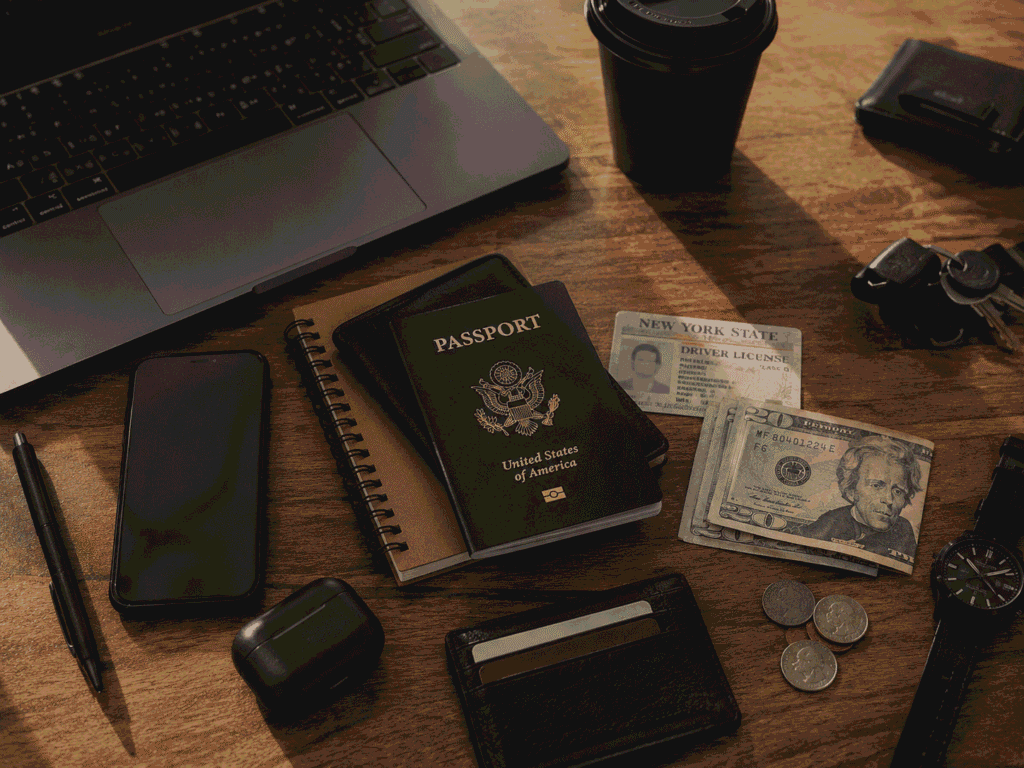
Emily Crose, a former officer with both the CIA and NSA, advises limiting the number of devices you carry and backing up all information before you leave. If travelling to potentially hostile countries, she recommends taking a new, clean device dedicated only to that trip rather than your regular personal phone or laptop.
For most travellers this does not mean buying a burner phone for a city break in Europe. It means turning off location sharing on your social media apps, avoiding logging into personal accounts on hotel WiFi, and being thoughtful about what is on your phone before you travel somewhere with a higher risk profile.
Learn a Few Words And Let Locals Guide You
The final piece of advice that comes up consistently across former CIA officers is also the most human one. Language and local connection change everything.
Nothing helps you blend in better than meeting some locals and taking them up on guided experiences when offered and when you can trust them. It is their country, after all, and getting to know the locals is one of the great pleasures of travel, as well as one of the most effective ways to move through a place with less friction and more confidence.
Intelligence travel guides consistently recommend learning basic keywords in the local language before you arrive. Hello, goodbye, yes, no, help, and police are the minimum. These few words signal respect and effort, and they open doors that staying silent never will.
The deeper point is that the traveller who makes small efforts to connect, who says thank you in the local language, who asks a shopkeeper for a recommendation rather than staring at a phone, who walks with ease rather than wide-eyed confusion, is not just a better traveller. They are a far less interesting target.
Conclusion
None of these tips require special training, expensive equipment, or a security clearance. What they require is a shift in mindset before you leave home.
CIA officers operating abroad are not superhuman. What sets them apart is preparation, awareness, and the discipline to build habits that become automatic. The clothes they choose, the maps they study, the way they walk down a street, all of it is deliberate.
As a traveller, you do not need to operate like a spy. You just need to move through the world like someone who has thought about it. That alone will put you in a different category from the vast majority of tourists, and it will make your experience safer, richer, and considerably more interesting.
Like us on Facebook, follow us on Instagram and TikTok, and subscribe on YouTube for more stories from the world of espionage and OSINT.