
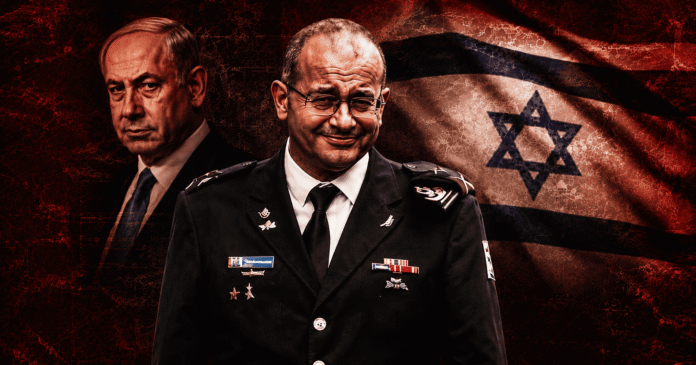
Mossad’s new director has removed two of the agency’s most senior officials who designed an unsuccessful covert plan to bring down the Iranian government using Kurdish fighters and mass protests, according to Israel’s Channel 12 news.
Key Developments
Mossad Director Roman Gofman has removed the head of the agency’s intelligence directorate and the head of its Iran division, Israeli Channel 12 reported Thursday. The two officials were among the principal architects of a written operational plan to topple the Islamic Republic.
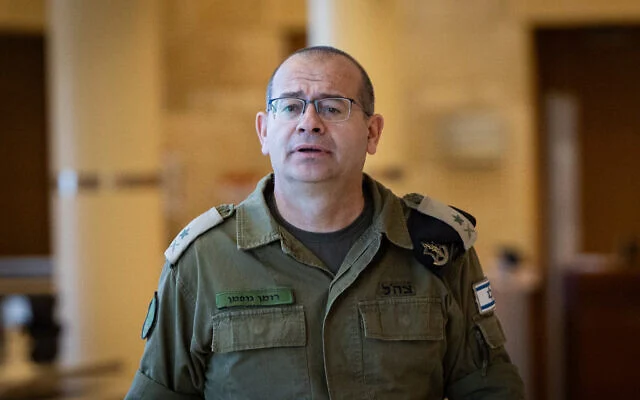
Security sources told the network that the two officials and Gofman had clashed from the moment he assumed the directorship, though their departures were described as mutual agreements forming part of a broader organizational restructuring. Both are expected to remain at the agency in different roles. Gofman was appointed Mossad chief on June 2, 2026.
The Architects Behind the Plan
The two removed officials sat at the very top of Mossad’s operational and analytical hierarchy. One had led the intelligence directorate, the body responsible for overseeing all intelligence collection and analysis across the agency. The other ran the Iran division, Mossad’s most critical operational desk given decades of covert conflict between the two countries.
Losing the heads of both simultaneously represents a significant structural disruption at a moment when Israel’s intelligence relationship with Iran remains one of the most consequential in the world.
The Iran Regime Change Plan
The plan the two officials designed was ambitious in scope. It called for Israeli strikes on Islamic Revolutionary Guard Corps positions along Iran’s border with Iraq, specifically in Iranian Kurdistan, intended to open a corridor for Kurdish fighters to cross into Iran and push into Kurdish cities in the northwest.
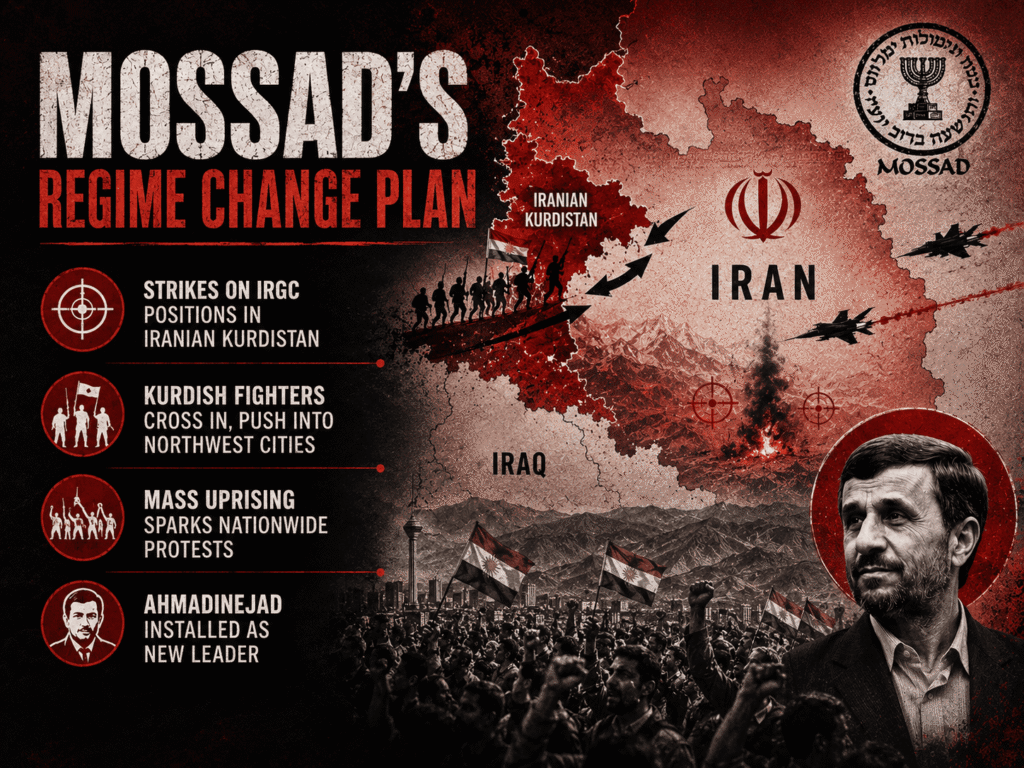
Mossad anticipated that thousands of young Kurds would join the advancing fighters, generating a mass movement capable of reaching Tehran. This military thrust was intended to ignite a broader civilian protest movement of millions, ultimately bringing down the regime.
The plan also reportedly envisaged installing former Iranian President Mahmoud Ahmadinejad as the country’s new leader, following a multi-year Israeli effort to recruit him.
Why Did the Plan Fail
The operation began to unravel almost immediately after launching. Israeli and US strikes did hit Iranian security forces in the northwest at the start of the war in February, but a combination of factors stopped the Kurdish component from materializing. Intelligence leaks compromised elements of the plan before it could gain momentum.
Turkey, wary of any development that strengthened Kurdish military forces along its own borders, lobbied actively against the operation. The Kurds themselves were divided and reluctant to commit. Washington ultimately pulled the plug. The plan’s credibility suffered a further blow when Trump’s own CIA chief and secretary of state later described Netanyahu’s regime change predictions as, in their words, “farcical” and “bullshit.”
(Note: Some images in this article are AI-generated)
If you liked this story, follow The Spy Stories on Facebook, Instagram, and TikTok, and subscribe on YouTube for more from the world of espionage.