
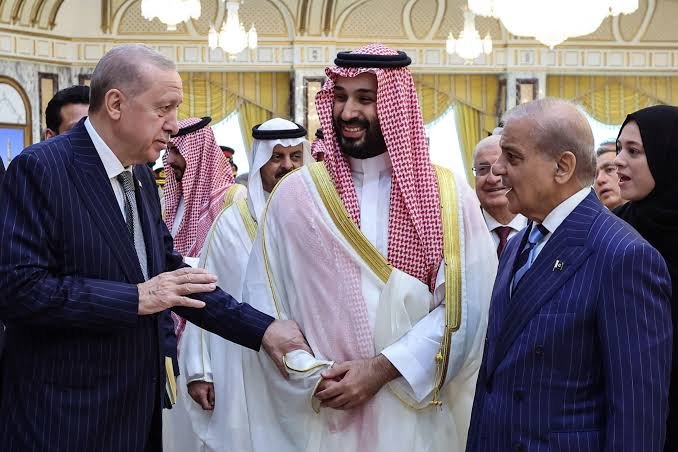
Saudi Arabia, Turkey, and Pakistan signed a landmark collective defence agreement in Mecca on August 7, establishing that an attack on one signatory will be treated as an attack on all three.
What Is the Mecca Joint Defence Pact
Signed in the Saudi holy city on August 7, 2026, the Mecca Joint Defence Agreement brings together three of the Muslim world’s most powerful states under a single security framework.
The agreement’s joint statement declared it “intended to strengthen collective deterrence against any act of aggression,” stipulating that “any armed attack against any one of the three states shall be regarded as an attack against them all.”
Saudi Crown Prince Mohammed bin Salman, Turkish President Recep Tayyip Erdogan, and Pakistani Prime Minister Shehbaz Sharif all signed the agreement in person.
Is It NATO
Turkish Foreign Minister Hakan Fidan described the pact as technically equivalent to NATO’s Article 5, saying a ministerial committee similar to NATO’s governing structure would be formed, along with a general secretariat based in Saudi Arabia. In practice, the comparison has limits.
NATO is a 75-year-old institution with integrated command structures, standardized equipment, and legally binding treaty obligations backed by the world’s most powerful military. This pact is a framework, and its collective defence clause remains deliberately vague on specific military commitments.
What makes it significant is timing. With US deterrence visibly strained after repeated Iranian strikes on Saudi territory went unanswered, and with the Iran war reshaping regional threat calculations, the three countries are building an alternative architecture precisely because they think the old order is unable to provide security and is instead destabilizing for the region.
What Pakistan Brings
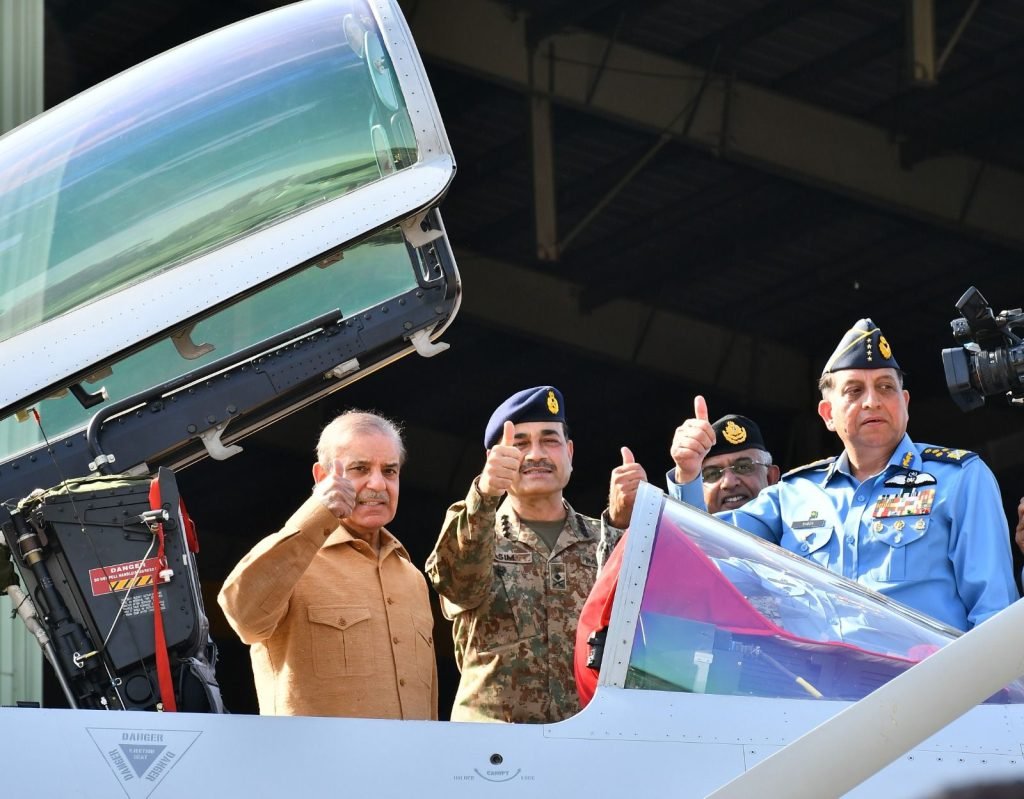
Pakistan brings the Muslim world’s only nuclear deterrent and one of its largest and most battle-hardened conventional militaries. Its 2025 military response to India demonstrated operational capability that significantly elevated its standing among regional powers.
Beyond conventional and nuclear strength, Pakistan brings deep counter-terrorism expertise accumulated over decades of internal and cross-border conflict, and a diplomatic relationship with China that none of the other two signatories can replicate. For Gulf states weighing security options, access to Pakistani military capacity, including troops already deployed in Saudi Arabia, fighter jets, and air defence systems, provides a credible deterrence layer.
However, analysts are careful to note that Pakistan’s nuclear posture remains India-oriented. A military planner cannot automatically assume Pakistani nuclear weapons would enter a conflict triggered by an attack on Saudi Arabia or Turkey.
What Turkey Brings
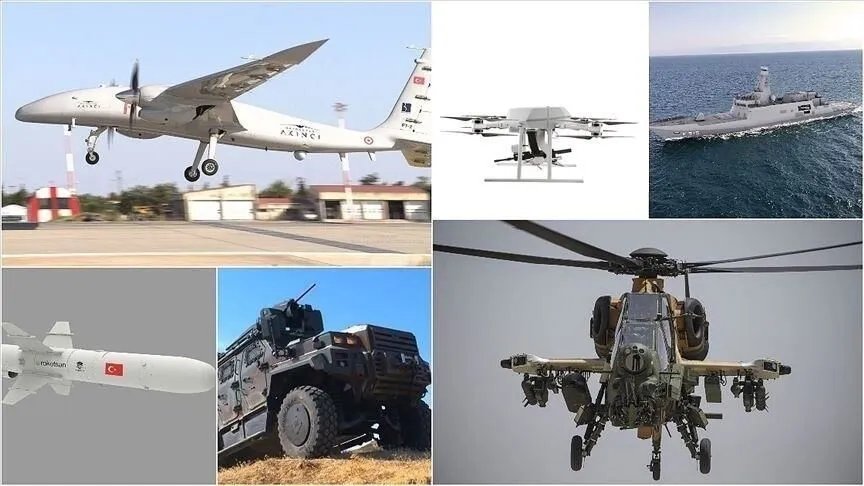
Turkey operates NATO’s second largest military and brings an advanced, increasingly self-sufficient defence industry to the partnership. Its capabilities in unmanned aerial systems, electronic warfare, and precision-guided munitions are among the most sophisticated in the region and have been battle-tested in Syria, Libya, and the South Caucasus.
Crucially, Turkey has manufacturing capacity and technological depth but needs investment and markets to scale. The pact gives Ankara access to Saudi capital and Pakistani procurement, creating a commercially advantageous arrangement alongside the security dimension.
Turkish defence exports to both partners are expected to expand significantly under the framework, making this as much an industrial partnership as a military one.
What Saudi Arabia Brings
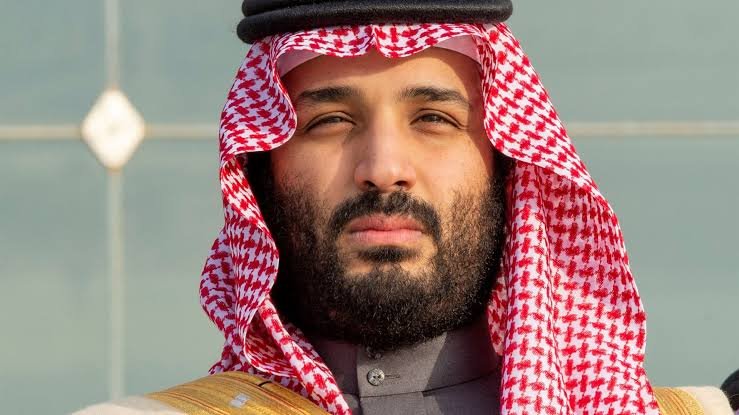
Saudi Arabia brings three things no other signatory can match: money, energy, and religious legitimacy. As custodian of Islam’s two holiest sites, Riyadh carries unmatched symbolic authority across the Muslim world, giving the pact a moral and cultural weight that purely military agreements lack.
Financially, the kingdom has the capital to fund collective defence infrastructure, joint exercises, and partner military modernization at a scale neither Turkey nor Pakistan can match alone. Its energy market dominance gives it leverage over global economic conditions that directly affect all three partners.
For Riyadh, the pact also serves a domestic strategic purpose: asserting itself as the face of regional stability at a moment when the two other major regional powers, Iran and Israel, are widely seen as destabilizing forces.
Who Is Countering Whom
None of the three countries will say it publicly, but the strategic logic is clear. Saudi Arabia is building a deterrence framework against Iran after repeated Houthi and Iranian strikes on its territory exposed the limits of American security guarantees. Washington could not protect Qatar when it was struck by Israel, and that failure reverberated across every Gulf capital.
Turkey is increasingly focused on Israel. Israeli leaders have openly described Turkey as an adversary, and Ankara is watching Israeli military reach expand toward its sphere of influence.
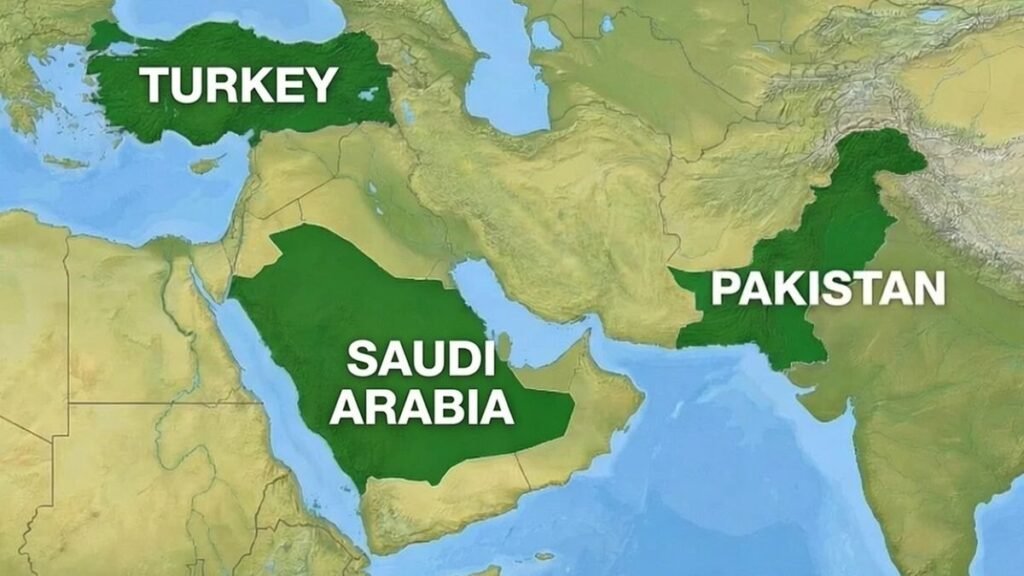
For Pakistan, the calculation is dual. The pact provides strategic depth against India, even if New Delhi is not named. But Pakistan’s unusually assertive push into Gulf security architecture also carries a message about Israel. As Israel’s military and intelligence partnership with India deepens, Islamabad has a direct interest in ensuring Israeli reach does not extend too close to its own strategic neighborhood. A stronger Pakistani footprint in the Gulf is, among other things, a counterweight to that growing India-Israel axis.
Will Turkey and Pakistan Attack Iran
Almost certainly not, even if Iran strikes Saudi Arabia again. Pakistan signed a bilateral mutual defence pact with Riyadh in 2025 and did not intervene when Iranian strikes hit Saudi territory in the months that followed. Turkey shares that reluctance. Both governments see themselves as stabilizers, not combatants, and are more interested in using the pact to build political momentum toward de-escalation than to trigger a wider war.
But deterrence does not require fighting. The presence of Pakistan’s military and nuclear capability alongside Turkey’s battle-tested forces may itself be enough to make Iran think twice before striking Saudi territory again.
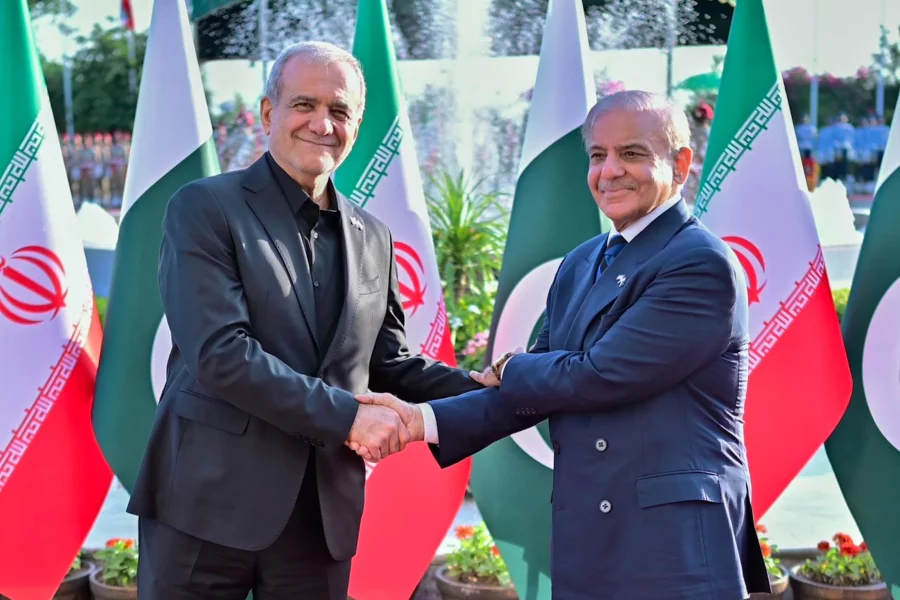
There is also a longer game here. If the pact matures and regional pressure grows, Iran could eventually be incentivized to engage with the framework rather than oppose it, particularly if abandoning its nuclear ambitions becomes the price of regional acceptance. Nobody wants a nuclear Iran, not Saudi Arabia, not Turkey, not Pakistan, and notably not Russia either. With Israel already seen as a destabilizing force in the region, a nuclear-armed Iran would give the Middle East two unpredictable nuclear actors simultaneously. That is a scenario all three signatories are equally motivated to prevent.
What About Pakistan’s Nuclear Weapons
The nuclear dimension of this pact is real but deliberately understated. Pakistani officials have been consistent in stating that the 2025 bilateral agreement with Saudi Arabia did not include a nuclear umbrella, and there is no indication the Mecca agreement changes that position.
Pakistan’s nuclear doctrine remains oriented toward India as the primary threat, and extending formal nuclear guarantees to Middle Eastern partners would represent a fundamental and publicly unannounced shift in that posture. What the pact does introduce, however, is strategic ambiguity.
An aggressor contemplating an attack against any of the three signatories cannot simply assume Pakistani nuclear weapons are irrelevant to the calculation. That uncertainty alone carries deterrent value, even without a formal extended deterrence commitment.
If you liked this story, follow The Spy Stories on Facebook, Instagram, and TikTok, and subscribe on YouTube for more from the world of espionage.