
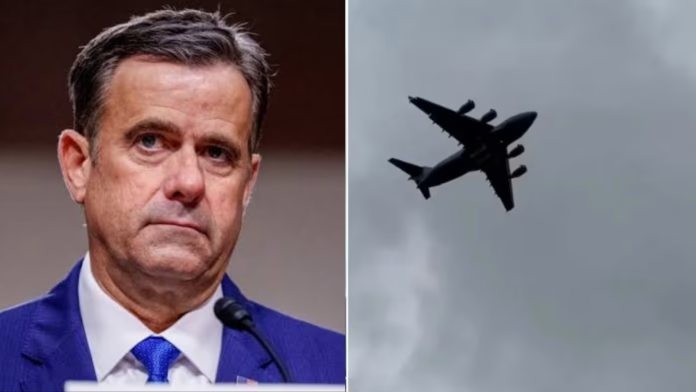
(This article has been updated to include reporting from the New York Times revealing the purpose of CIA Director John Ratcliffe’s Moscow visit.)
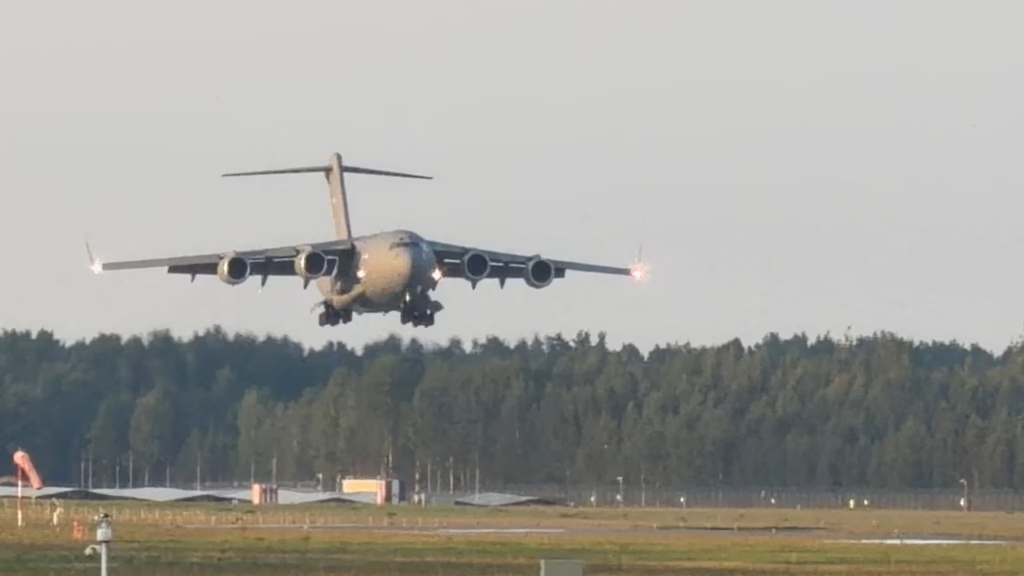
CIA Director John Ratcliffe made a rare unannounced visit to Moscow on August 25, landing at Vnukovo International Airport aboard a US military aircraft as concerns mount over Russian military mobilisation and escalating tensions with NATO.
Why Is This Significant
Unannounced visits by senior US intelligence officials to Moscow do not happen without serious cause. The trip comes as Ukraine has been striking Moscow and Russian energy infrastructure near daily using Western long range drones, inflicting damage that is increasingly difficult for the Kremlin to absorb politically.
Read More: US Military Wants to Relocate to Israel But Fears Espionage
At the same time, US intelligence has assessed that Russia may be making early preparations for military mobilisation, a development that would signal a significant escalation of the conflict. Across Europe, major capitals are on heightened alert as daily threats of sabotage operations and drone incursions near NATO territory have made the prospect of miscalculation between nuclear powers a genuine concern.
Ukraine Told to Hold Its Strikes
Before Ratcliffe’s plane touched down in Moscow, Washington asked Kyiv to suspend strikes on Russian territory for the duration of the visit. A senior Ukrainian official confirmed the request to CBS.
Ukraine complied. It was a small but telling detail, indicating that the US considered the talks significant enough to request a temporary pause in active combat operations to avoid any incident that could derail the discussions before they began.
Read More: Putin Is Probing NATO Unity Not Planning a Military Attack, Ex-MI6 Chief Says
Was It a Warning
The last comparable unannounced CIA director visit to Moscow came in November 2021, when William Burns flew to the Russian capital and spoke directly with Putin to warn him against invading Ukraine. That warning went unheeded. The parallel this time, however, tells a different story.
The New York Times has since reported what Ratcliffe actually said behind closed doors. He met with FSB Chief Aleksandr Bortnikov and delivered a blunt assessment of the war’s current state.
According to the NYT, he told the Russians that in eighteen months of fighting, Russia had advanced just 1% of Ukrainian territory, and that the average life expectancy of a Russian soldier on the frontline is 35 minutes.
Read More: What Are Europe’s Top 5 Spy Agencies?
This was not a threat. The NYT reported that Ratcliffe “made no threats about potential consequences for the Russian side.”
CIA analysts have long suspected that Putin’s inner circle has been shielding him from honest assessments of the war’s true cost. Some officials told the NYT they hoped Putin, a former intelligence officer himself, would find a message delivered through the CIA channel “more urgent and credible than communications through normal diplomatic channels.”

What Did the Kremlin Say
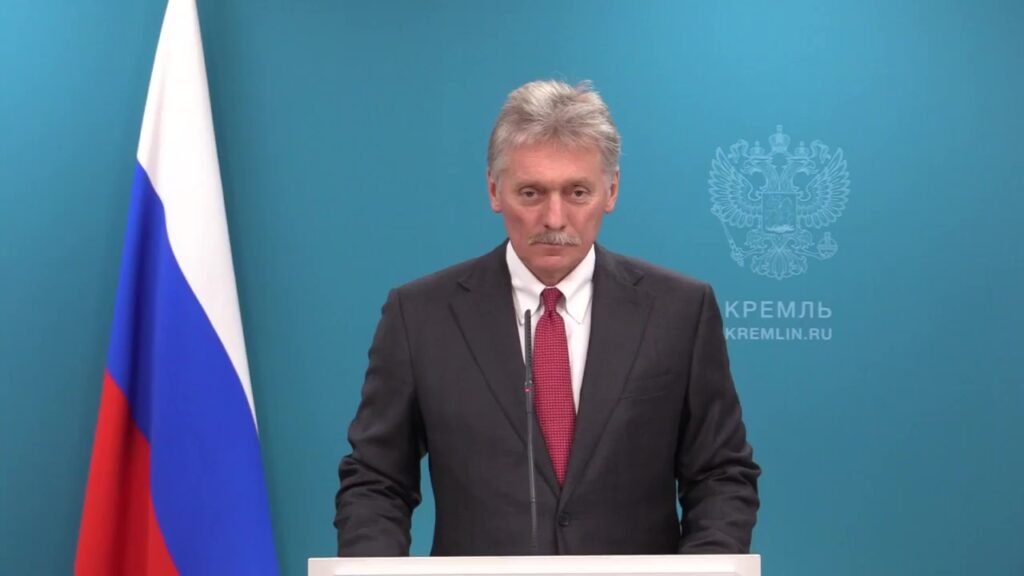
Kremlin spokesperson Dmitry Peskov confirmed the visit was related to “contacts between security services” but declined to provide any further details. “All I can tell you is that there have been contacts via the security services. I can tell you that there have been no meetings with the Russian president. Naturally, President Putin is kept informed of everything without delay,” said Peskov.
Trump Calls Meeting Sem-Routine
Trump acknowledged the visit but kept his cards close. Speaking to reporters, he described the meeting as “semi-routine” and said Washington “would like to see the war in Ukraine end,” adding that “something may come out of” the talks. He did not disclose what was discussed. “How much this will impact the overall process of recovering our bilateral relations from the profound crisis,” Trump said.
Read More: The CIA Officer’s Guide to Travelling Like a Secret Agent
Was Iran on the Agenda
Neither Washington nor Moscow has confirmed what was discussed. But the circumstantial evidence pointing toward Iran is difficult to ignore. The visit came just one day after US Treasury Secretary Scott Bessent announced a major new campaign to economically isolate Iran.
Ratcliffe almost certainly carried a direct message to Moscow about its continued military, economic, and technical support for Tehran, support that US intelligence believes has included Russian targeting data on American military assets in the Middle East.
Russia’s relationship with Iran has been one of the most persistent irritants in any potential US-Russia understanding, and with the Iran war still unresolved, it is hard to imagine the subject did not dominate at least part of the conversation.
Is War Coming to Europe
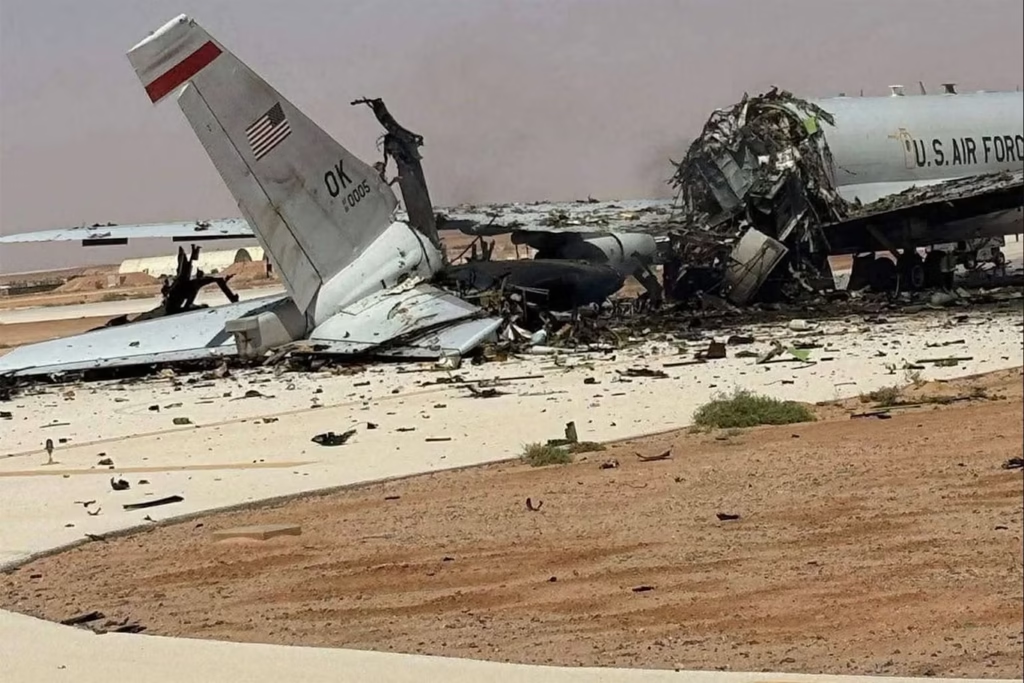
No. Putin cannot sustain a war against NATO on top of the one he is already losing ground in. But if the question is whether conflict has already reached European soil in another form, the answer is yes, and it has been there for years.
Russian hybrid operations, sabotage, drone incursions, disinformation, and infrastructure attacks are not a prelude to war. They are the war, conducted at a level designed to cause maximum disruption while staying below the threshold that would compel a formal NATO response.
Read More: What the Mecca Pact Really Means?
Putin is not preparing to invade Poland. He is applying pressure to extract concessions from an alliance that has no appetite for direct confrontation. The most likely outcome is a managed crisis, with Ukraine bearing the heaviest cost of whatever settlement eventually emerges.
If you liked this story, follow The Spy Stories on Facebook, Instagram, and TikTok, and subscribe on YouTube for more from the world of espionage.