
Summary
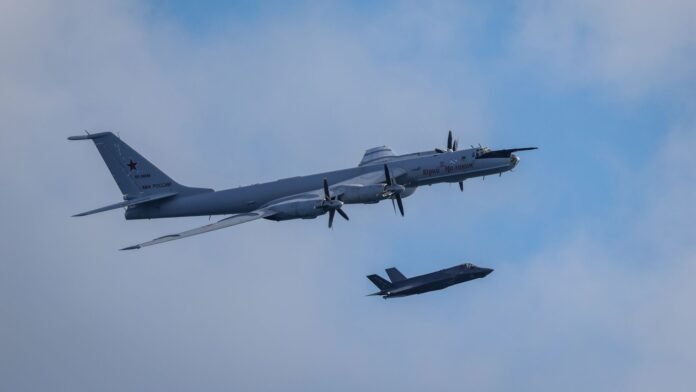
A Russian maritime patrol aircraft made three low passes over Britain’s flagship aircraft carrier in the Norwegian Sea, scattering dozens of sonar tracking devices in what defence sources described as deliberate harassment.
What Happened
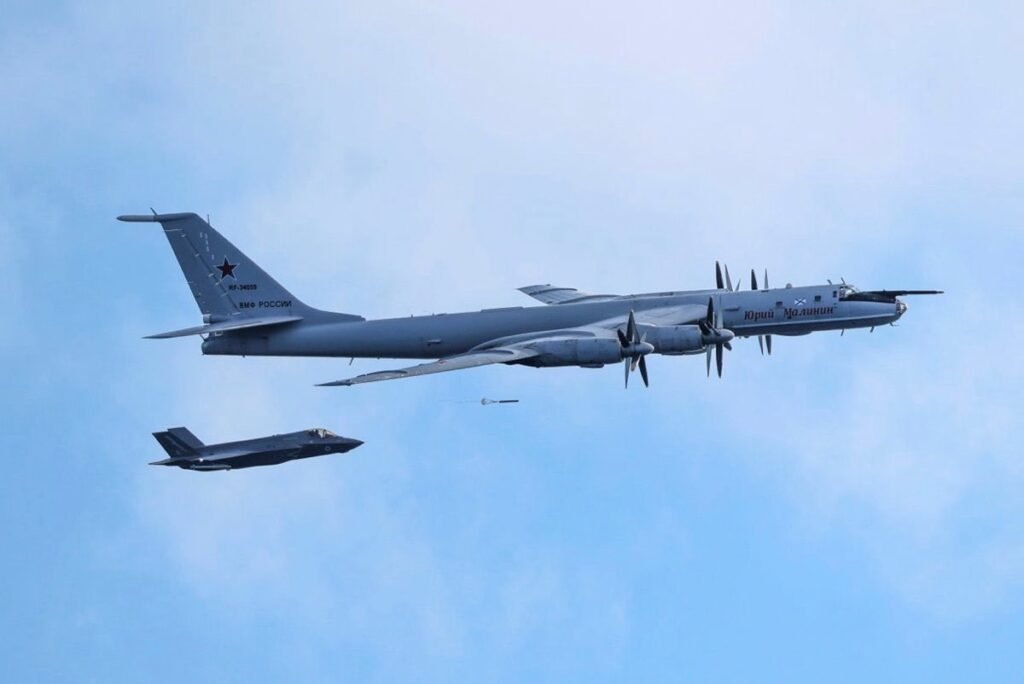
On July 2, a Russian Bear-F maritime patrol aircraft flew unnecessarily close to HMS Prince of Wales in the Norwegian Sea, making three passes and dropping large numbers of sonobuoys, parachute-equipped sonar devices roughly a metre long, in the warship’s path.
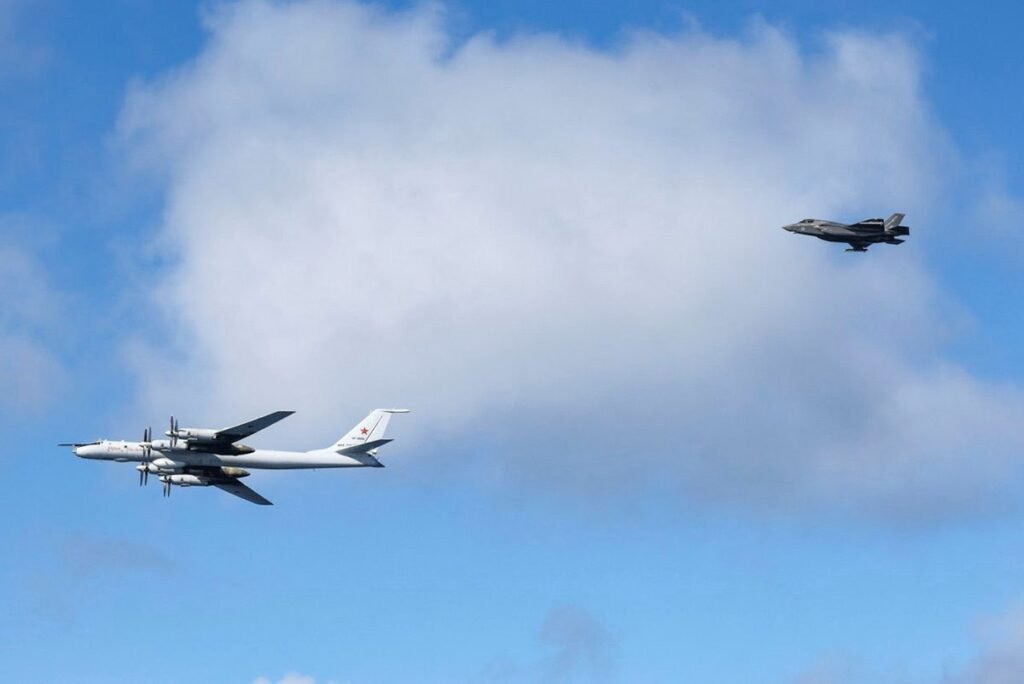
Two RAF F-35 fighter jets scrambled from the carrier’s deck to intercept and escort the Russian aircraft out of the area. The carrier is currently deployed to the High North as part of a NATO operation to bolster Arctic and North Atlantic security, with more than 1,500 British personnel on board alongside escort vessels HMS Duncan and RFA Tidespring.
The First Time in Living Memory
The July 2 incident is believed to be the first time in living memory that Russia has deployed large numbers of sonobuoys in close proximity to a Royal Navy vessel. While sonobuoys are standard military tools used globally to track submarines, deploying them en masse directly in the path of a major surface warship is an entirely different act.
Defence sources described it as harassment rather than genuine anti-submarine operations. The incident also carried physical risk. The sonobuoys could have drifted onto the carrier’s flight deck or struck aircraft operating nearby, creating a dangerous situation for personnel and equipment aboard one of Britain’s most significant naval assets.
What the MOD Said
The Ministry of Defence condemned the incident in clear terms. A spokesperson said:
“This activity was unsafe and unprofessional. The Russian aircraft was intercepted and escorted by two UK F-35 jets from HMS Prince of Wales until it left the area.”
The MoD confirmed the sonobuoys were dropped landing so close to the aircraft carrier and with fast jets in the air, which is why the action was deemed unsafe. The department did not specify the exact distance at which the devices landed relative to the carrier, though it is understood they fell very close, including directly in front of the warship.
What Is the Russian Bear-F Aircraft?
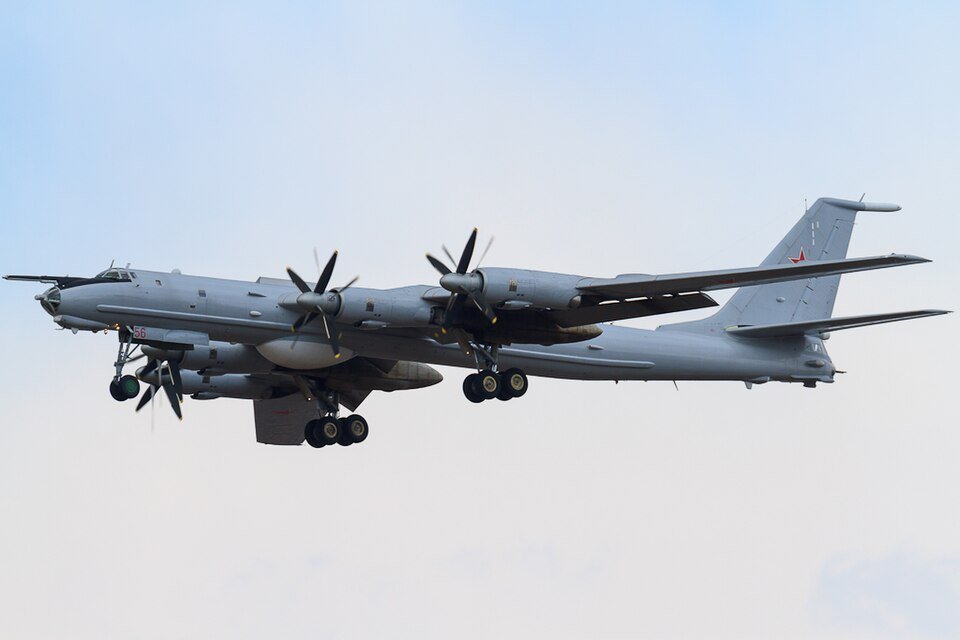
The Bear-F, known in Russia as the Tupolev Tu-142, is a long-range maritime patrol aircraft developed during the Cold War and still actively operated by the Russian Navy today. It is specifically designed for anti-submarine warfare, using sonobuoys and onboard sensors to detect and track submarines across vast stretches of ocean.
In peacetime, the Bear-F routinely operates in international airspace near NATO member states, gathering intelligence and testing allied air defense response times. Its appearance near HMS Prince of Wales was therefore not unusual in itself.
Why This Matters
The timing of this incident is not incidental. It occurred just days before a major NATO summit of world leaders in Ankara, where Arctic security and alliance posture toward Russia are expected to feature prominently on the agenda.
Russia’s decision to conduct an unprecedented harassment operation against a British carrier group at this precise moment carries a clear signaling dimension, a demonstration of willingness to push boundaries and test allied resolve immediately before a high-stakes diplomatic gathering. Defence Secretary Dan Jarvis visited HMS Prince of Wales over the weekend in direct response to the incident, underscoring how seriously London is treating the provocation.
Like us on Facebook, follow us on Instagram and TikTok, and subscribe on YouTube for more stories from the world of espionage and OSINT.