
SUMMARY
Ukrainian drones destroyed two stored Russian Tu-142 maritime aircraft at Taganrog airfield on May 30, confirmed by satellite imagery released June 1.
WHAT HAPPENED
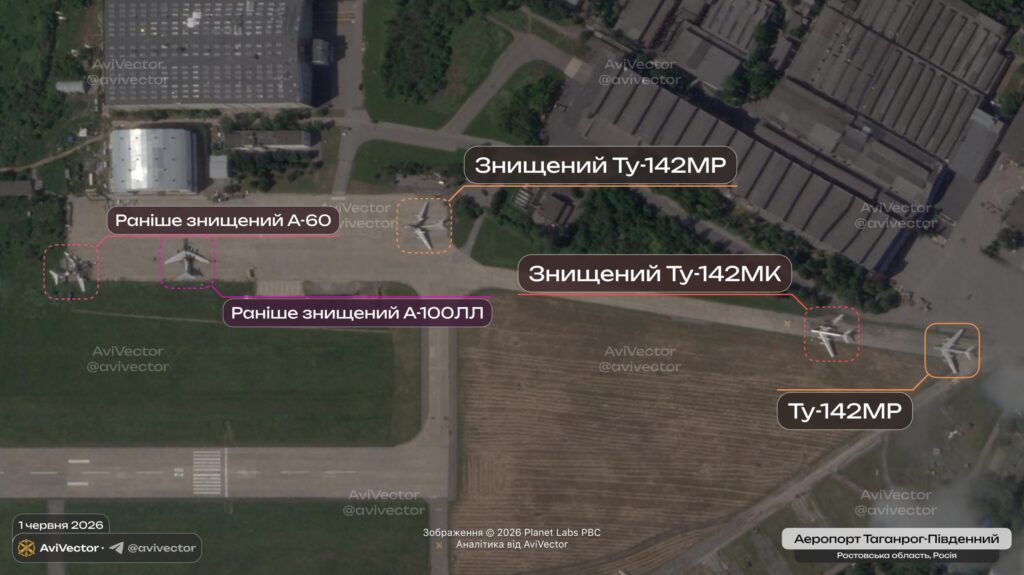
On May 30, Ukraine’s Unmanned Systems Forces struck the Taganrog Yuzhny airfield in Russia’s Rostov region. Satellite imagery obtained on June 1 by analysts at AviVector confirmed the destruction of two Tu-142 aircraft on the grounds of the airfield.
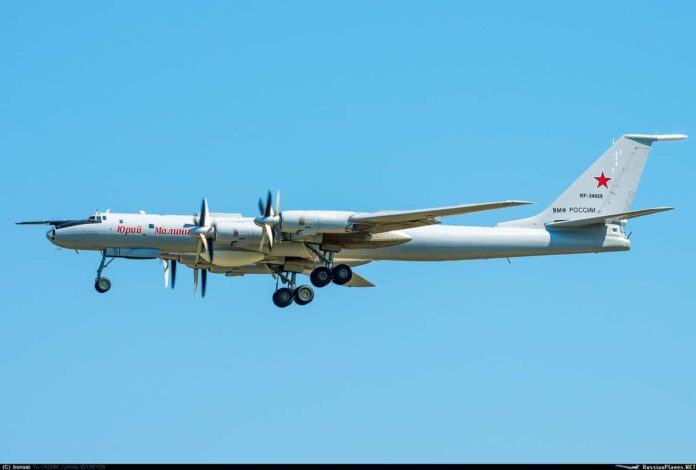
The first was a Tu-142MR, a long-range aircraft designed to communicate with nuclear armed submarines using very low frequency radio signals. The second was a Tu-142MK, a modernized anti-submarine warfare aircraft built to search for, track, and destroy enemy submarines.
Both aircraft had been in long-term storage and were not actively serving with the Russian Aerospace Forces at the time of the strike. A third Tu-142MR was captured in the same satellite imagery and appears to have survived the attack undamaged.
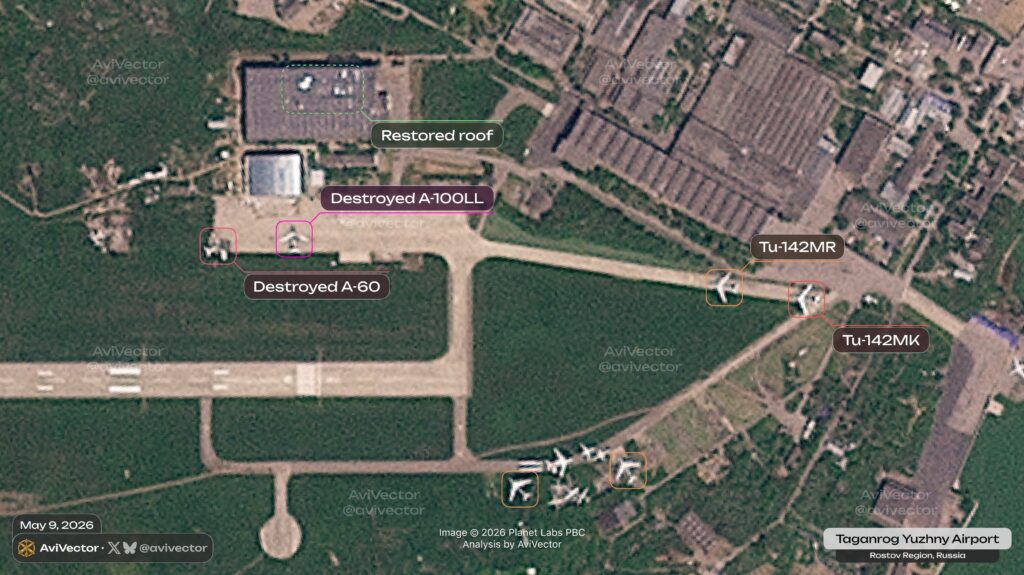
The same airfield is also home to two A-50 airborne early warning aircraft, an A-50U and the experimental Beriev A-100, both of which had already sustained visible damage from previous strikes documented in earlier satellite imagery.
Operational Footage:
Why It Matters?
On the surface, destroying two planes that were already in storage looks like a limited battlefield gain. It is not.
Russia’s fleet of highly specialized maritime and signals aircraft has always been small. These are not aircraft that roll off a production line in large numbers. The Tu-142 family represents decades of investment in a very specific operational capability, and replacement parts, qualified crews, and maintenance infrastructure for these platforms are not easily reconstituted, particularly under the weight of current Western sanctions on Russian aviation.
Even stored aircraft carry significant strategic value. They form a reserve pool that Russia could draw from to replace active units lost or damaged elsewhere. Once that reserve shrinks, the gap between Russia’s theoretical and actual operational capacity in maritime patrol and submarine communications widens in a way that cannot be quickly closed.
Why The Loss is Significant?
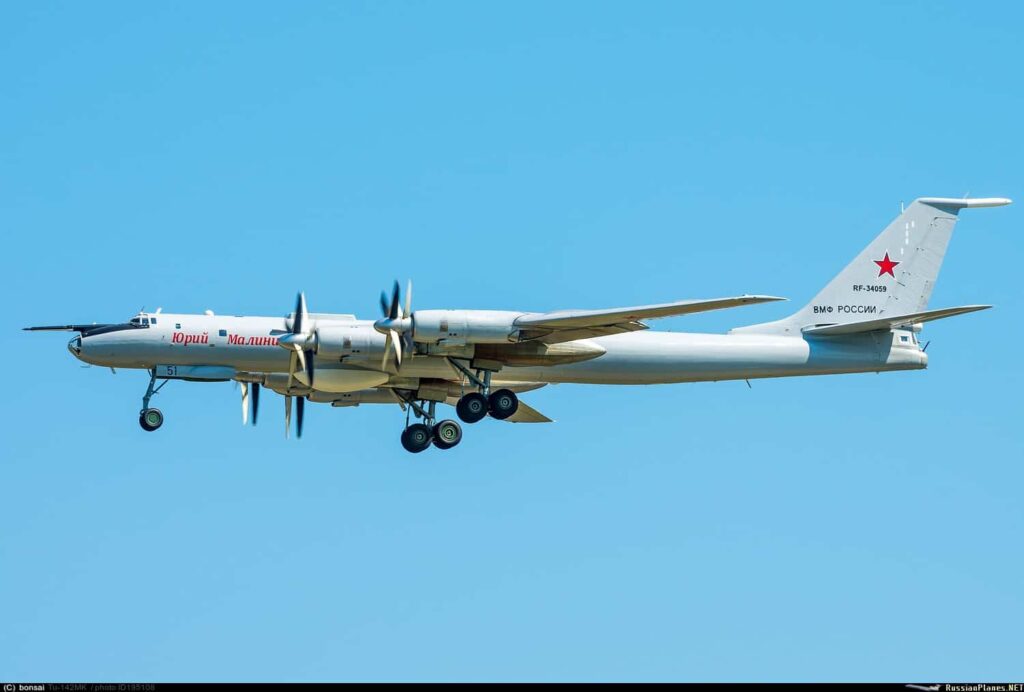
The Tu-142MR is not a combat aircraft in the conventional sense. Its primary mission is to serve as an airborne relay station for Russia’s nuclear ballistic missile submarines, transmitting launch authorization commands via very low frequency signals that can penetrate seawater. In the architecture of Russia’s nuclear deterrent, maintaining reliable communication with submerged submarines is not optional. It is the mechanism through which the chain of command reaches its most survivable nuclear assets. Destroying even stored examples of this platform chips away at the redundancy built into that system.
The Tu-142MK serves a different but equally specialized role, hunting submarines operated by NATO and other adversaries in the Black Sea and beyond. Russia has no simple substitute for this capability.
Taken together with the already damaged A-50 early warning aircraft at the same airfield, Taganrog Yuzhny is beginning to look less like an active military base and more like a graveyard for some of Russia’s most irreplaceable specialist aviation assets.
This strike also continues a deliberate pattern. Ukraine has repeatedly targeted Russian military aviation infrastructure well behind the front line, not to win individual engagements but to systematically degrade Russia’s long-term capacity to project air and maritime power. Each strike compounds the last.
The Background
Taganrog Yuzhny has appeared in OSINT and satellite monitoring circles before. The same airfield appeared in earlier reporting when the A-50U and the experimental Beriev A-100 were photographed showing damage from prior Ukrainian strikes.
The Beriev A-100 is particularly significant as it is a prototype next-generation airborne early warning platform with no existing replacement in the Russian inventory. The airfield has effectively become a case study in how Ukraine is using drone campaigns to target not frontline hardware but the specialist rear-echelon assets that underpin Russia’s broader military architecture.
What Comes Next?
Watch for whether Russia moves its remaining Tu-142MR and any other high-value stored aircraft away from Taganrog or other exposed airfields. If satellite imagery in the coming weeks shows dispersal of remaining assets to more protected or remote locations, it would signal that Russian military planners are treating the drone threat to rear-area aviation infrastructure as a serious and ongoing vulnerability rather than an isolated incident.