
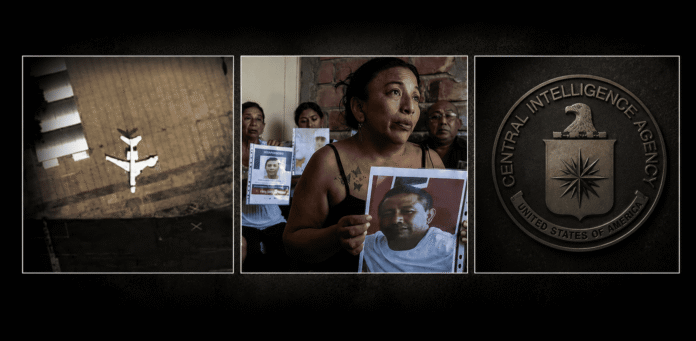
The CIA secretly targeted at least three Ecuadorian fishing boats in covert drone strikes earlier this year, killing and disappearing fishermen with no known links to drug trafficking, according to the Washington Post.
What Happened to the Fishing Boats
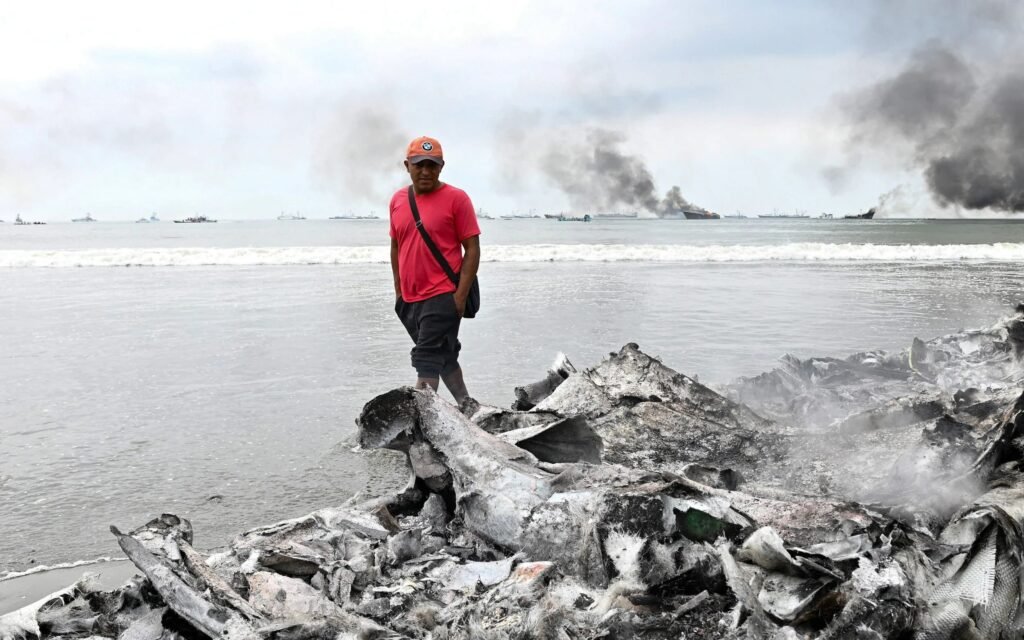
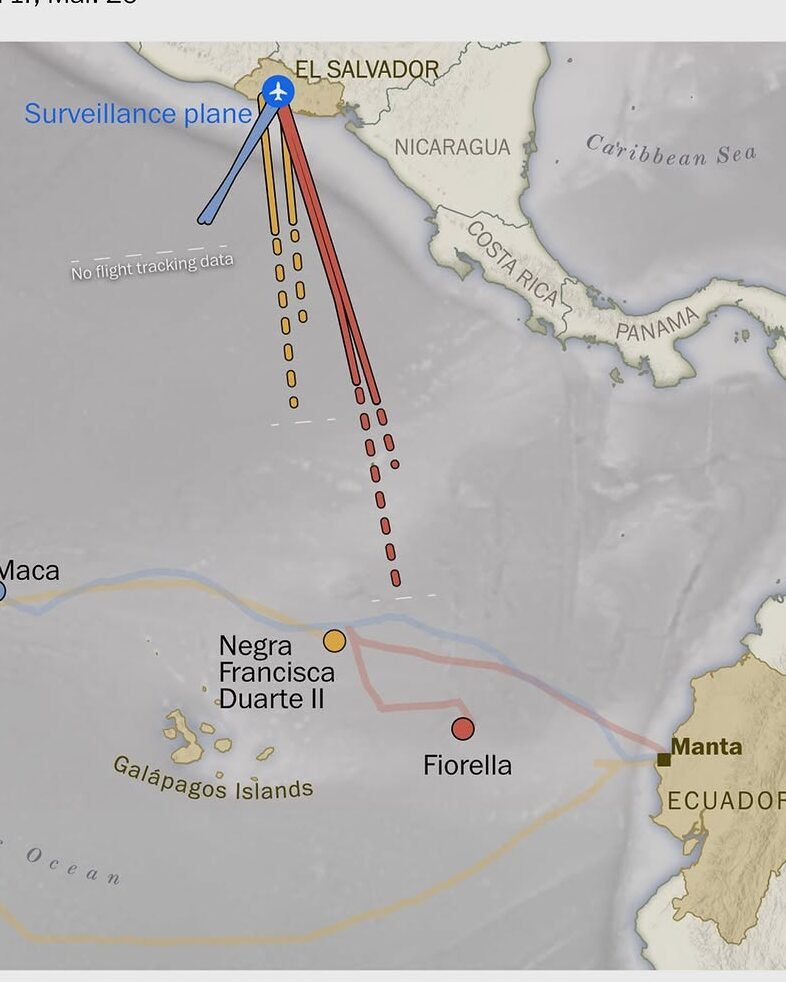
In January, the 52-foot Fiorella fishing boat was struck and eight fishermen disappeared, presumed dead. Two more boats, the Negra Francisca Duarte II and the Don Maca, were hit in March. All those onboard the March vessels survived. Survivors described unidentified assailants wearing American flag patches attacking them using drones, with a surveillance plane circling before each strike. At least 35 fishing boats were destroyed in total and two people were injured in a June 6 attack. There has been no evidence suggesting any of the targeted vessels were doing anything other than fishing.
How Was the CIA Linked
The Washington Post reported the strikes are part of a covert action program, a secret overseas operation approved by the US president without public acknowledgment. Flight tracking data identified the surveillance aircraft as Fenix 701, a Cessna Citation Longitude, operating out of Ilopango Airport in El Salvador, a former hub for US-backed covert operations during the Nicaragua proxy wars of the 1980s.
Read More: What Are Europe’s Top 5 Spy Agencies?
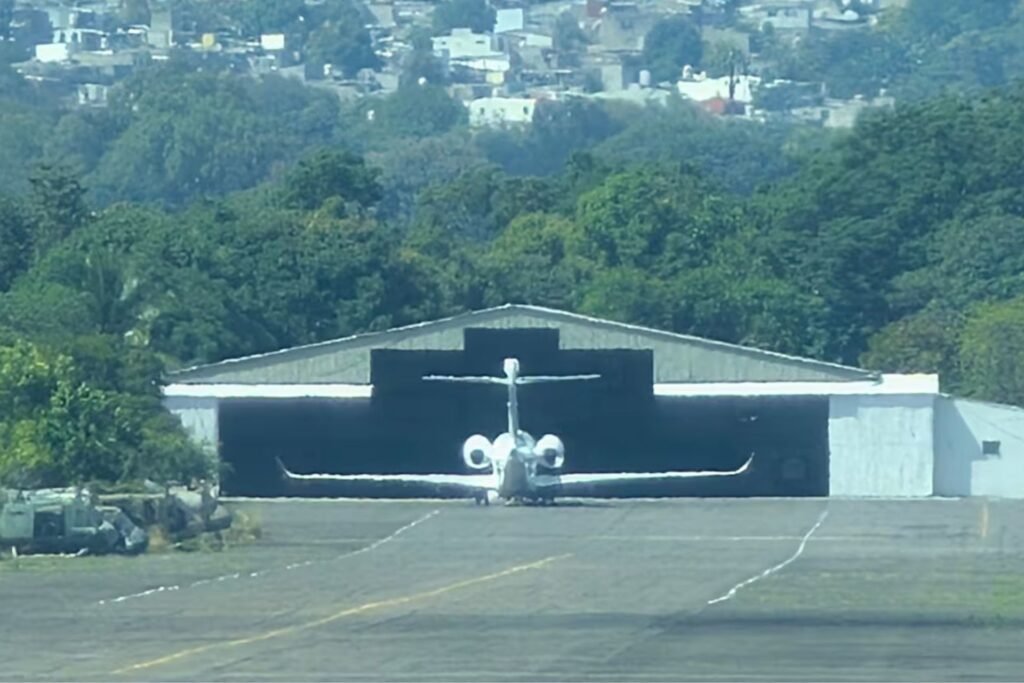
The plane flew in the direction of all three boats before each attack. It is not registered to the US government. Air traffic control recordings confirmed the pilots spoke English with American accents.
The plane flew from Tennessee to El Salvador in November, according to the Washington Post. Its registration traces back to a company with no website and a mailbox address at a UPS store in Virginia, strongly suggesting a front company used to obscure government involvement and raising serious questions about whether private military contractors were hired to carry out the strikes.
Read More: CIA Secretly Forms Cuba Task Force With Plans to Destabilize Havana
How Is This Different From Trump’s Narco Boat Campaign
The distinction matters enormously. Since last September, the Pentagon has openly targeted fast, small vessels suspected of drug smuggling across the Caribbean and eastern Pacific, hitting 67 boats and killing 221 people. The military has publicly claimed every one of those strikes and regularly posted footage to its social media channels.
The Ecuadorian fishing boat strikes share none of those characteristics. They were never claimed, never acknowledged, and targeted vessels showing no signs of drug activity. The Pentagon’s campaign is loud and deliberate by design. These strikes were the opposite, covert, deniable, and still unexplained.
Read More: The CIA Officer’s Guide to Travelling Like a Secret Agent
Why Does the Secrecy Matter
A former US official who worked in the region put it plainly to the Washington Post: “It begs the question about why you would need to do this. What would be the purpose of the secrecy?”
The answer, while not confirmed, points in one direction. Trump expanded CIA authority last year to target drug traffickers across Latin America with lethal force. If these strikes were part of that mandate, the secrecy suggests either the targets did not meet the legal threshold required for a publicly acknowledged military strike, or the operation was testing new covert capabilities the US was not ready to disclose. Either possibility is deeply troubling.
If you liked this story, follow The Spy Stories on Facebook, Instagram, and TikTok, and subscribe on YouTube for more from the world of espionage.