
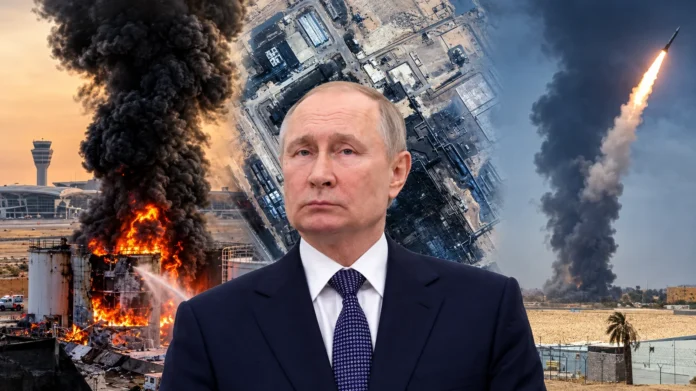
A private intelligence firm says Russian satellites orbited over Saudi oil and military sites before and after 40 attacks by Iranian backed groups.
Officials told AP that Iran’s allies benefited from Russian intelligence and Chinese capabilities. Moscow has not commented.
What Happened
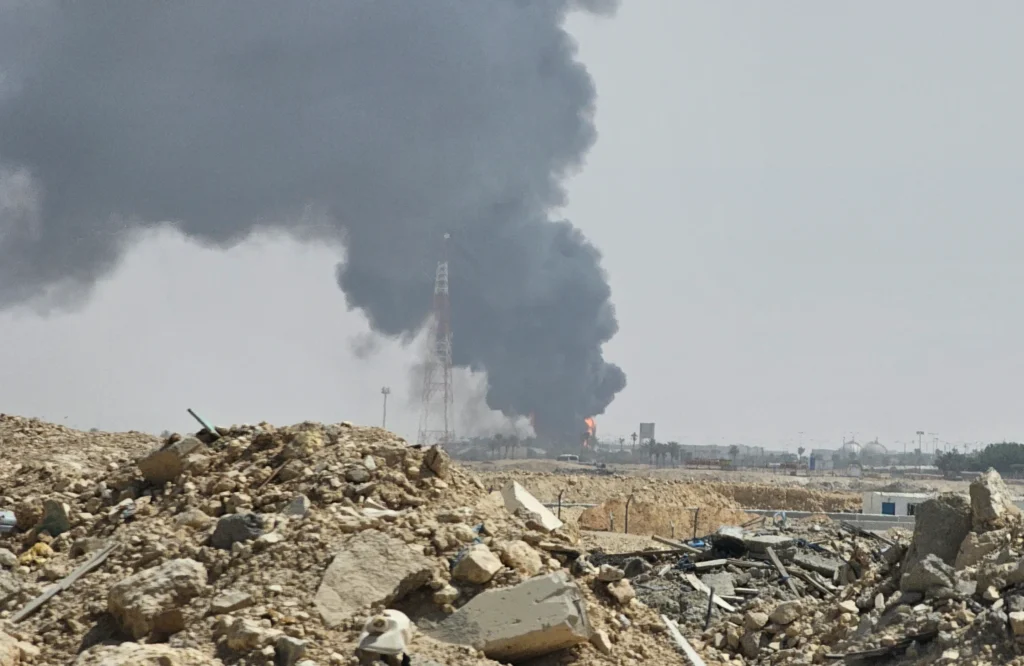
On September 10, drone strikes from Iraq hit three pumping stations on Saudi Arabia’s East West Pipeline, immediately interrupting oil flow.
A week later, Houthi projectiles struck King Fahd Air Base in Taif, damaging hangars and an Italian air force Eurofighter Typhoon.
Geneva based AURORAH Geosignal Intelligence reviewed 40 missile and drone attacks on Saudi Arabia between July 1 and October 19.
It found Russian government and military satellites above the target areas for days before and after every strike.
How Russian Spy Satellites Enabled the Strikes
AURORAH identified 72 Russian reconnaissance satellites among more than 11,000 spacecraft and tracked their movements against activity on the ground.
Eleven Cosmos 2600 series satellites focused on the three pipeline sections starting in July.
Flybys rose in the weeks before the attacks and in the hours around them. Around the Taif and pipeline strikes, satellite numbers rose 50 percent during a 72 hour window compared with July.
The firm has not intercepted intelligence transmissions, so its conclusion rests on patterns.
Why This Intelligence Support Matters
Obaid said the Taif strike hit the Italian jet rather than Saudi aircraft at the same base, pointing to specialized intelligence support that Houthis and Iranians do not have.
A Houthi leader told AP that Iranian advisers analyze Russian satellite data and pass it to the rebels.
A Saudi official said intelligence showed Russian satellites helped Houthi and Iraqi militia strikes, including on the pumping stations.
Obaid said the intelligence behind a weapon now matters as much as the weapon.
The Wider Impact on Regional Security
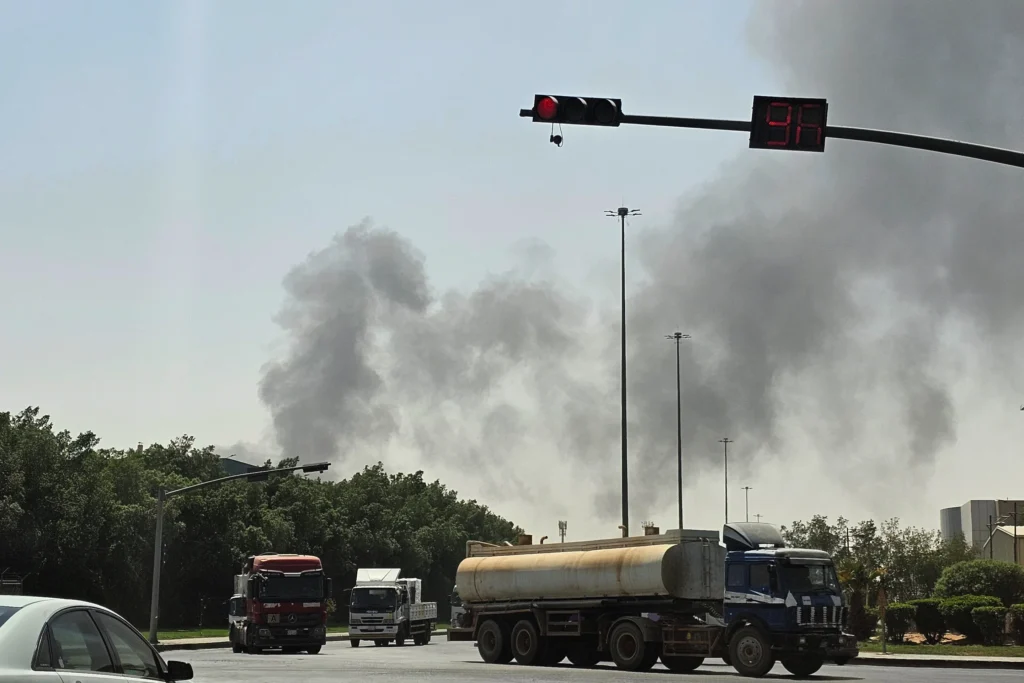
The attacks have helped push up global energy prices, as the East West Pipeline is a key alternative route for Saudi crude amid Iranian attacks on Hormuz shipping.
Obaid said similar satellite patterns appeared during Iranian strikes on U.S. bases in the war that began in February.
Saudi Arabia says Iran and the Houthis receive intelligence from elements in Russia and China.
Leolabs expert Adam Marsh noted there is no regulatory body to stop such activity, asking how anyone could.